Today, student debt is a significant component of the education system in the U.S. Student debt is a large part of the education system today in the U.S. Many students annually borrow money to go to college or university. This isn’t something that many young people can choose. If they did not receive loans, they would not be able to attend higher education institutions.
Student loans are initially perceived as a helpful remedy. They enable pupils to concentrate on their study and not have to pay the total tuition fee at once. This relieves the burden and promotes easier education.
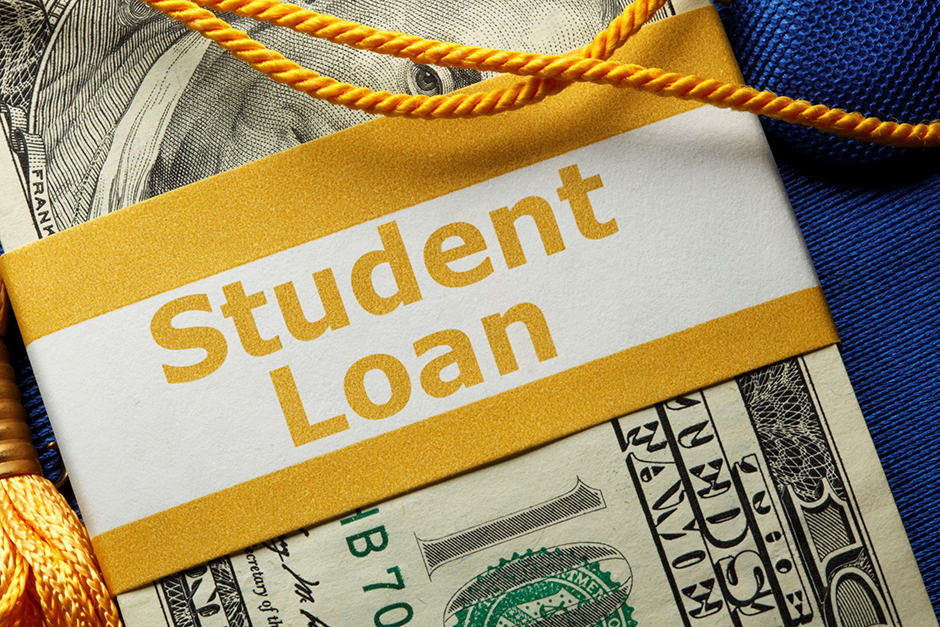
But all that changes after graduation. After college, when the working world hits, Student Debt payments become a reality. Financial stress can be caused by monthly payments, interest charges, and other costs of day-to-day life. Many borrowers begin to get stressed here.
Therefore, it’s significant to know about student obligations early on. Understudies are able to make shrewd advance and back choices and arrange things way better, thereby limiting future issues if they get how credits work.
What Is Student Debt?
Student Debt are the amount of money that a student borrows to pay for his or her education. This doesn’t only apply to tuition payments. In fact, many students are able to obtain loans for managing their college life.
These are things such as the taking of a toll of living, individual needs, nourishment, books and transportation. These costs will be total, so students might end up taking out more cash than they haggled for.
Once an understudy graduates, this advance is due and will be paid back. Repayment isn’t all about the cash. Over time the intrigue gathers, making the add-up to the sum owed larger.
This can end up a deep-rooted commitment for numerous students. The debt can keep mounting up if they don’t handle it properly, and it can become hard to manage.
Why Student Debt Is So Common
Student debt has become very common in the United States, and there are several reasons behind this trend. The most important reason is the rising cost of higher education.
Over a long time, college tuition expenses have expanded essentially. At the same time, living costs such as lease, food, and transportation have also ended up being more expensive.
Many families are incapable of keeping up with these costs. Indeed, students from middle-income family units frequently battle to pay for college without monetary help.
Another reason is the solid belief in instruction as a pathway to victory. Students need way better work openings and higher pay rates in the future. Because of this, they are willing to take credits as a speculation on their careers.
This combination of high costs and future expectations makes student borrowing very common.
Types of Student Loans
In the USA, there are two types of loans that generate student debt. It is a very essential thing to know these types in order to make the appropriate decision.
Federal Student Debt are loans that are provided by the government. These loans are generally more flexible and provide certain protections. They tend to be more affordable with lower interest rates and are easier to pay.
The private student loans are provided by banks, credit unions, or other financial institutions. Loans that can be obtained when federal loans aren’t sufficient to meet all expenses.
But private loans will typically have more stringent conditions. You might have to pay higher interest rates, and you may not have many payment choices. This can make them a small bit more challenging to control.
Before taking out an advance, students require the consideration of the distinction between the two and the getting of the pros and cons.
How Debt Increases Over Time
The growth of student debt over time is one of the most important issues when dealing with student loans. Most students do not realize this procedure in the initial stage of loan-taking.
The main reason behind this growth is interest. Intrigue is compounded on the exceptional vitality of the credit. This implies that, indeed, if the student isn’t making installments, the accumulated sum can still increment.
The worse scenario is if payments are either postponed or skipped. This only enlarges the debt load, as interest continues to accumulate.
A loan, which may have been manageable at one time, can become a serious burden over time. That is why it is essential to be aware and act early.

Students should learn about Student Debt so as to not incur needless charges.
Life After Graduation
Graduation is a very joyous event and the beginning of a new responsibility. Upon completion of their program, students will be required to repay their loans.
The majority of federal student loans include a grace period. It typically takes about six months after you graduate. Students will not be expected to make any payments during this period.
It’s a time of great support. It gives students the opportunity to obtain employment and adapt to a new lifestyle and budget.
After the grace period, however, monthly payments are made regularly. This is when students are required to be careful about their finances and ensure that they are able to pay their bills.
Challenges Students Face
Student Debt comes with a number of difficulties, particularly right out of the gate. Many graduates begin at the bottom of the pay scale, which might not be that much.
It can be challenging to balance a loan payment with regular bills like mortgage payments, rent, food and gas. Meanwhile, there’s developing intrigue and more pressure.
This circumstance can lead to pushback and uneasiness. The expanded repayment time may be a challenge for a few students.
Moreover, unexpected costs like therapeutic costs or an alteration in work may make the repayments more troublesome. These challenges illustrate the need for reasonable arranging and mindfulness.
Impact on Future Plans
Student Debt have a broader impact than just the immediate financial burden. It additionally has long-term implications for future plans.
A great deal of individuals postpone vital life choices due to the fact that they are weighed down with their loan. They may delay domestic possession or commerce start-up. Sparing cash or contributing for the future may be challenging for a few.
A person’s credit score can also be negatively impacted by debt. The ability to secure loans, rent and even some jobs depends on the good credit score.
Good management of student loan debt mitigates these risks and enables people to get on with their lives.
Simple Ways to Manage Debt
Students can easily manage their student loans if they can engage in simple, regular habits. Do not need to use complicated methods.
One of the most pivotal steps is paying on time each month. It avoids punishments and makes a difference to control the loan.
It is too pivotal to select the right repayment arrangement. A few plans are based on wage, which makes installments more affordable.
Students will get organized by following credit points of interest and costs. Any extra installment, no matter how little, will offer assistance to pay down the accumulated obligation over time.
The following are a few simple steps that will offer assistance with the common management of credits and accounts as well as reduce financial push.
Smart Borrowing from the Start
Student loan debt management is best achieved by making wise choices prior to obtaining a loan. When it comes to borrowing, it should always be done carefully.
Students must only take what is absolutely necessary. It can be enticing to take out more cash, but that will leave you with more obligation in the future.
Knowing around interest rates, reimbursement terms and credit conditions is greatly vital. The comparison of the different credit choices can also help in selecting the best one.
Arranging to oversee your obligation and considering ahead around your future wage will make it much simpler to reimburse.
Staying Motivated During Repayment
Student credit repayment can be a long haul. It’s key to keep up the inspiration and center amid this period.
Students do not require debilitation. Numerous people viably pay back their advances and make decent progress towards money-related stability.
It’s helpful to set little objectives. Each payment brings a few ahead and kills the balance. It can be supportive to keep track of advances and to share in the achievements as they happen.
Conclusion
It is vital for each understudy to get a student obligation in the U.S. It’s vital for each student to know about student obligations in the U.S. Credits empower students to get higher instruction and realize their dreams.
Loans also bring responsibility, however. Students need to know how to function and plan appropriately for paying back.
Smart loan and finance strategies can help manage students’ debt. This will take time, but with discipline and planning it becomes easier.

One of the best things that any individual can invest in is education. By adopting the appropriate strategy, students can benefit from education and maintain their financial stability.