In the United States, the student loan system is a significant element of higher education. A good number of students rely on loans for further education. Higher education in the United States of America (USA) is costly and tuition rates continually are going up. However, most families are unable to pay the entire amount in one payment.
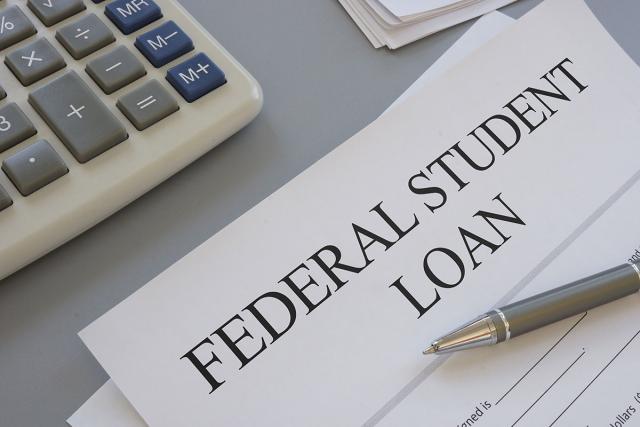
That’s why student loans are ubiquitous throughout the nation. These loans provide funding for students’ tuition, books, housing, and daily expenses. But student loans don’t come with a price tag of zero. They are required to be returned with interest over the years. This makes them financially responsible for the long term. The importance of understanding how the loan and finance system works. It assists pupils in making informed choices and preventing issues down the road.
What is a Student Loan
Student loan: a loan of money that is used to finance education. Students are allocated money by the government/private lenders. They are committed to paying back the amount once they have finished their studies. The interest is charged on the loan; this makes the total amount of the loan to be repaid higher. These loans are intended to help increase access to education.
Every year in the USA, millions of students use student loans. While the loan system is able to support higher education, it can also place a burden on the finances of the people that are involved in the process if it is not handled correctly. This is the reason why it is essential to grasp the fundamentals of loan and finance for all students.
Types of Student Loans in the USA
In the United States there are two categories of student loans. The ones that are federal are federal understudy credits, and the ones that are private are private understudy advances. They all come with distinctive highlights, benefits and dangers. Before selecting an advanced alternative, students require knowing and getting the distinction between them. Choosing the right one will help lighten money-related concerns afterward. The wrong loan can result in a higher debt and repayment load.
Federal Student Loans
Federal student loans are provided by the US government. They are the most frequently used choice by students. These loans have lower interest rates. They also have fixed rates, providing stability. Federal loans offer flexible loan repayment options. They’re also accompanied by loan forgiveness programs.
Common types include:
- Direct Subsidized Loans
- Direct Unsubsidized Loans
- PLUS Loans
Such loans are deemed as safe loans. They are intended to assist students with financial support.
Private Student Loans
Private student advances are advertised by banks, credit unions, and other monetary educators. There are numerous distinctions between these sorts of credits and federal credits. These will generally come with higher interest rates. Some loans may be variable-rate—meaning they may rise during the term of the loan. Private lenders typically will need a credit check.

If the student does not have any credit history, he or she might require a co-signer. Varying options of repayment as compared to federal loans. There are also fewer benefits such as forgiveness programs. Because of these reasons, private loans should only be used when federal loans are not enough. If not managed properly, they can add to the financial risk.
How to Apply for Student Loans
Student loan application is a process that can be broken down into steps. Each step needs to be carried out with care.
Step 1: Fill out the FAFSA
Financial Aid applications are done mostly via the FAFSA. It’s the Free Application for Federal Student Aid. This type of form assesses your finances. It is the basis for the eligibility for loans and grants. It is important to fill out the FAFSA as early as possible. It improves your odds of obtaining more assistance.
Step 2: Review Financial Aid Offer
Once you’ve completed the FAFSA, you should be offered something. This covers loans, grants and scholarships. Carefully, all this must be checked. Avoid taking out unwanted loans. Once you know what you are being offered, you will be able to decrease your future debt. Be careful in making choices at this time.
Step 3: Accept the Loan
After you have made your decision, you should accept the loan offer. Only use the necessary quantity. A legal agreement will be required to be signed. This will require you to pay back the loan. Always borrow responsibly. Consider your future financial situation.
Interest Rates and Loan Costs
Interest is the additional cost of money borrowed. Fed student loans typically have fixed interest rates. Private loans can be offered with either a fixed or variable interest rate. A lower rate of interest lowers the total amount of repayment.
The higher the rate, the higher the loan repayments. Interest begins the day the loan becomes active. Late payment will increase the amount rapidly. Students will learn to make sound borrowing decisions with knowledge of interest rates. Knowing the costs of the loans can help in the long run to save money.
Repayment Plans
Student loans typically start when students graduate from college. Students are required to make monthly payments. There are different repayment plans available in the United States. The regular repayment plan is a 10-year fixed payment plan. This plan is simple and helps reduce interest costs.
Income-driven repayment (IDR) is another choice. In this plan, the amount of the payment is determined by the borrower’s income. For those who earned less as graduates, it helps. There is a “graduated” repayment arrangement, which is an arrangement that starts with low repayments and raises them over time. It’s vital that you select the right repayment arrangement. It impacts long-term money-related security and push levels.
Loan Forgiveness Programs
Loan forgiveness helps reduce debt. In certain instances, loans will be written off partially or entirely. There are special programs in the USA. They are tailored for specific occupations.
Popular programs include:
- The public service loan forgiveness program. The PSLF program.
- Teacher Loan Forgiveness
There are stringent criteria to be met. These programs may offer monetary assistance. They are of great service to those who borrow for long periods.
Benefits of Student Loans
There are numerous benefits of student loans for students and society. They increase access to higher education. A student may be able to attend a college or university that they may not have been able to afford otherwise. Education enhances knowledge, skill and career.
Students tend to be better paid than those who do not attend college. This improves their quality of life as they get older. Student loans are a tool for personal development and career achievement. They are considered an investment in the future. Loans, if used wisely, can be a long-term gain in financial rights.
Challenges of Student Loans
Although the benefits of student loans are there, there are also drawbacks. One of the main problems is student indebtedness upon graduation. It’s hard for many students to pay back their loans. Interest adds to the amount with each payment, so the total amount paid back is more than it was originally. Repayment periods may be long and stressful.
There are borrowers who postpone significant life choices due to their debt. They might delay home purchases, business ventures, and saving for the future. There is a interface between budgetary push and mental wellbeing, as well. It’s since it’s pivotal to know around the perils of borrowing.
Tips to Manage Student Loans
Loan management plays a significant part in achieving monetary victory. Stretch can be minimized with keen procedures.
- Borrow Only What You Need
Only take what’s needed. Avoid unnecessary borrowing. The easier it is to repay, the less debt there will be.
- Understand Loan Terms
Carefully examined the terms of the loan. Have your interest rate and conditions figured out. This will prevent you from getting caught off guard later.
- Make Payments on Time
Payments are very important. Late payments negatively impact your credit score. Good” credit is helpful for future financial activities.
- Pay More When Possible
Overpayments decrease the amount of debt you have. They also reduce interest costs. Any extra payments, no matter how small, can help.
- Check Forgiveness Options
Always investigate any forgiveness programs. Financial relief might be available to you. This can decrease overall debt.
Impact on the US Economy
The US economy is greatly affected by the student loan system. Student loan debt has an impact on consumption. A lot of the graduates spend less money on big purchases. This can be purchasing a house, a car, or a business. Less spending leads to slower economic growth.
Meanwhile, education becomes more productive in terms of skills for the workforce. Qualified workers make a positive impact on the economy. The loan and finance system are important for helping to balance these effects. It has been a central topic in the national economy debate.
Future of Student Loans in the USA
Student loan prospects in the United States are changing. The government is creating modern policies to diminish student obligation. The slant appears to be toward lower intrigued rates. New, more flexible payment options are becoming available. Loan forgiveness programs are also increasing.
These changes are designed to increase the affordability of education. They also seek to alleviate financial burdens on borrowers. The aim is to develop a just and impartial loan system. Continuous improvements will impact the education and finance industry further.
Conclusion
The USA student loan system is complicated and necessary. It assists millions of students to accomplish their educational objectives. Concurrently, it imposes a burden of financial responsibility, which must be handled carefully. It is very important to understand the loan system.
Prior to taking out a loan, students should be aware of all the costs. Debt planning and debt control are essential for financial success. If used properly, student loans can be a beneficial instrument. They can assist with establishing a solid and stable financial future.