Introduction
Low interest loans are a vital economic instrument for the millions of Americans. If money is needed for education, a house, a car, medical bills, or debt consolidation, a low interest loan will save thousands of dollars in the long-term. Interest represents the percentage amount a lender charges you for borrowing money—and even a slight difference in the interest rates can make a significant difference in the total repayment cost as well as in your monthly payment.
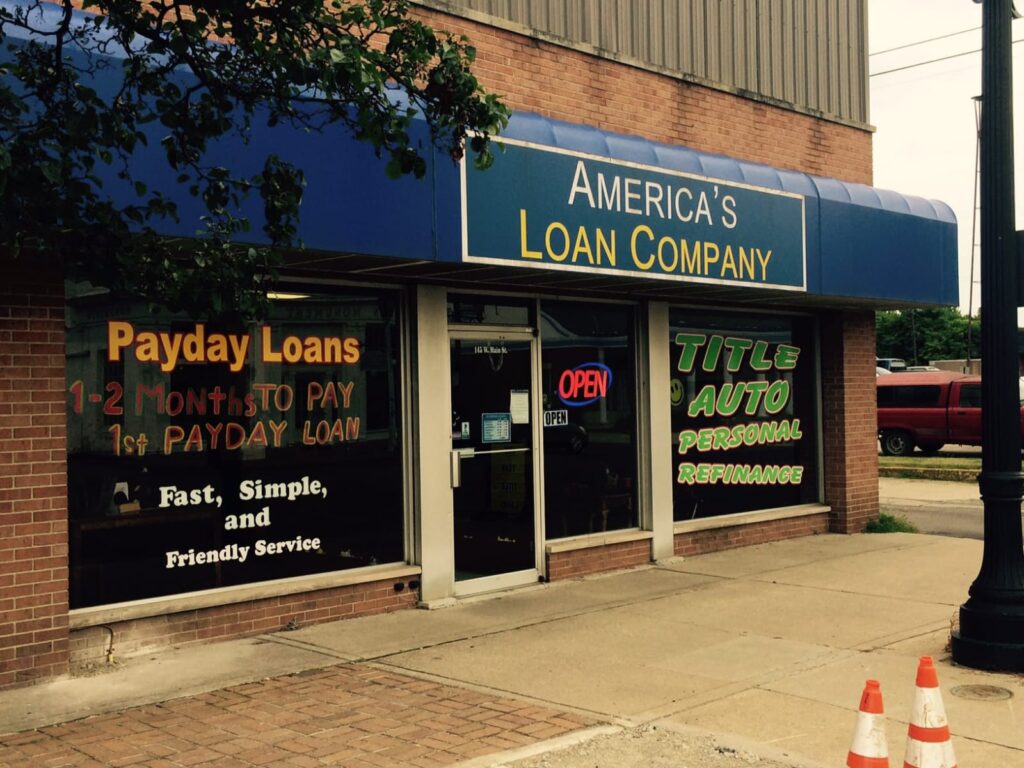
The concept of how loan interest rates work
Several factors determine interest rates from lenders such as the borrower’s credit score, income, debt-to-income ratio, Interest Loans amount, and previous boring and repayment history. These details are used by the lenders to assess the risk. A highly financial literate borrower is considered less risky and hence would be offered a lower interest rate.
Interest rates are influenced by the type of loan. Secured loans, like real estate loans and automobile and truck loans, typically come with reduced rate of interest because they are backed up by collateral.
Improve credit scores prior to applying
Showing Americans how to get low interest loans is one of the best avenues they can take to improve their credit score. A credit score is a numeric indicator of a person’s unquestionable financial reliability. Usually credit scores come in the range between 300 and 850 with a higher score means that it will show a better credit worthiness. The interest rates tend to be the lowest for borrowers that have credit scores above 700.
There are several ways individuals can increase their credit scores, such as paying bills on time, paying down credit card debt, avoiding unnecessary debt, and regularly monitoring credit reports for due to errors. A better credit score can also qualify individuals to receive radically improved loan terms, even when they make just minor enhancements.
Comparing Different Lenders
Prior to deciding on a Interest Loans, Americans should check around. Each financial institution provides its own interest, charges and repayment periods. Credit unions, in particular, are known to have a more flexible relationship that results in more competitive loan interest rates because they lack the governmental regulations of traditional banks, and since they are nonprofit organizations, they may offer better interest rates and more flexible lending policies.
There are also more people borrowing from online lenders, which are becoming widely popular in the recent years. Numerous lenders online use technology to streamline the process for quickly approving an online loan and provide them with a competitive rate
Understanding Government loan schemes: Credit Options
There are a number of programs available in the United States that assist Americans to apply for low interest loans. The programmes are intended for education and housing and for small companies. One of the most frequently seen is a federal student loan. They can usually offer more flexible repayment terms and lower interest rates than private student loans.
Mortgage options like FHA, VA and USDA loans are good programs that the government offers for home buyers. The programs can be particularly beneficial for first-time home buyers, military veterans and residents in rural areas.
Credit Union borrowing
Credit unions are among the top places American’s can find low-interest loans. Credit unions are not like common banks, credit unions are member owned organizations – they are not based on profit maximization – rather credit unions are organized by and are for their members so that they all can support their communities to the best of their ability.
Some credit unions offer low cost personal loans, auto loans, home loans, and credit-builder loans. Credit unions may have different eligibility criteria, offered for location, employer, or professional organization
Better choice to select Secured Loans
Secured Interest Loans typically have lower interest rates than unsecured loans as they require collateral. An asset, such as a car, house or savings account held by the borrower and that the lender may keep if the borrower defaults on the loan. Favorable interest rates are available from lenders because they have lower risk.
Secured loans are typically conventional mortgage loans or auto loans. Others secure themselves a personal loan or use home equity loans to avail of the lower cost financing. One should beware of such loans, though, since it is possible to lose what one has given for collateral if things go awry with the loans and one is unable to settle their payments.
Refinancing Existing Loans
Another way that Americans have of reducing interest costs is refinancing their home. Refinancing involves getting a new loan with improved terms (typically a lower interest rate or longer terms). This is a common method on auto loans, mortgages and student loans.
One of the primary reasons for people to refinance is because their credit scores have improved or because the market interest rate has dropped. By refinancing, the interest rate can be lowered, which will lower monthly payments and save Interest Loans in the long-term.
Building Relationships With Financial Institutions
Extending a period of time in the bank or credit union may sometimes help qualify borrowers for lower interest rates. Financial institutions might provide gratitude offers, programs or discounts to clients that have checking accounts, savings and account balances, or straight deposit with them. Trust between borrowers and lenders can be generated by showing financial responsibility over a period of time.
Those who consistently save, do not overdraw and have long history of consistent banking relationships fare better in loaning processes. Developing good financial habits can enhance the ability to borrow at a low interest rate, but can also help promote overall financial wellness and security.
Managing Debt Responsibly
Debt management is a crucial factor in becoming eligible for a loan that is affordable. Lenders examine D.T.I. ratios that have to do with monthly debt payments against monthly income. This ratio is lower, the greater the capacity of the borrower to handle a surplus of debt responsibly. People in America who are paying in a timely and orderly way owe less are more likely to obtain lower rates of interest.
Companies can take steps to help consolidate their debt by minimizing the volume of credit cards, avoiding unnecessary financing and establishing budgets that are viable. A good financial management shows that things are running smoothly and lender’s worries are less.
The role of financial education
When applying for loans, financial literacy is of great importance. Unfortunately, numerous Americans rack up Interest Loans due to their limited understanding about interest rates, repayment schedules, and potential risks of debt. Knowing how to make the best use of cash and finances helps avoid costly mistakes and make better decisions.
Financial education events, web resources and counselling can help borrowers know how to compare loan offers, calculate the costs involved in repaying a loan and how to boost their credit score. A solid grasp of financial knowledge can give people the leverage they need to make optimal demands and prevent unaccustomed financial strains. One of the best means to get monetary steadiness is knowledge.
Conclusion
Low-interest loans are an important way to financially accommodate education, housing, transportation, business and emergency needs for Americans. Getting these loans does, however, depend on planning, prudent financial practices and conscious choice. Here are some strategies for getting a better deal on their loans: fix their credit score indices, shop around for the best rates among lenders, avail loans offered through government programs, become members of a credit alliance, refinance existing loans, and manage Interest Loans responsibly.