Understanding Debt and Its Impact
Debt is part and parcel to Debt in America life. People all over use loans and credit to buy homes, payers for education, buy vehicles or for other pressing bills. Borrowing money can be beneficial to people in attaining important objectives, but will certainly be a burden if not efficiently utilized.
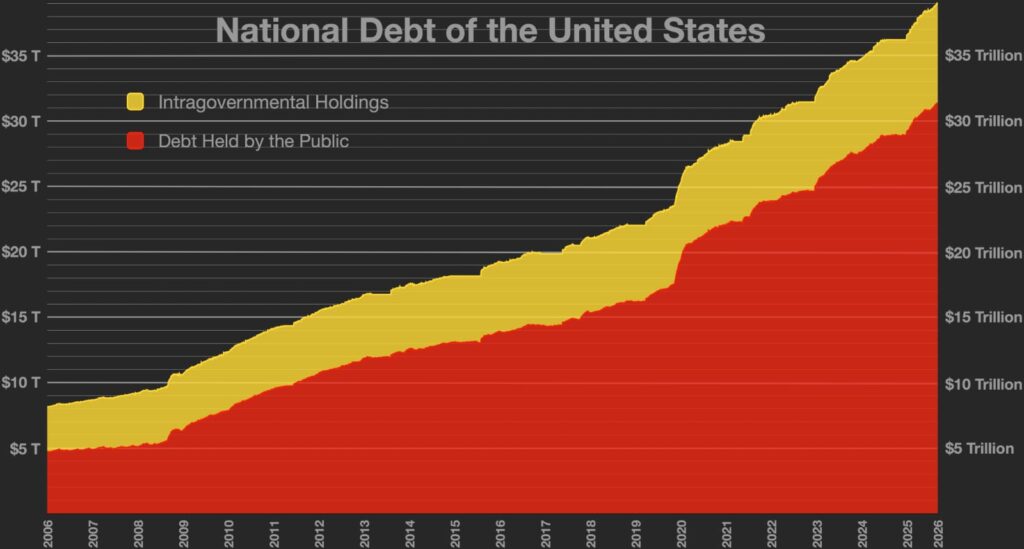
Living in Debt in America, late payments and high interest rates can lead to stress and restrict freedom of finances. Knowing the ins and outs of debt and cultivating financial savvy is a crucial part to long term security and success.
Developing a Realistic Budget
The first step to dealing with debt is a feasible monthly budget. When individuals come out with a budget, they will have an opportunity to recognize where their money is going, where they will save money and where they’ll change. With no control over how you spend, it’s very easy to go over your budget and use a lot of credit cards, or loans for all intents and purposes.
Fixed costs including rents or mortgage payments, utilities, insurance payments and payments of loans are a component of a good budget. It should likewise consist of changing costs, i.e., the food, transport, diversions and personal costs. People can use to keep fiscal track to recognize wasteful conditions and alter their funds to eliminate personal debt better.
The timely payment of bills
One of the simplest payments that you can make is being on time with them, and that’s one of the most effective ways of managing your debt. In America, credit history is everything when it’s about loans, credit cards, homes and even jobs sometimes.
It’s important to have reminders or automated payments as it helps people avoid missed payments. It’s an excellent strategy, especially when money is in short supply, to pay the minimums on all accounts. Paying the minimum will not get you debt free quickly, but it will ensure that you don’t put your accounts in late and help to maintain your credit rating.
People try to reduce their use of credit cards
It’s easy to make use of your credit card but irresponsible use can cause overspending. Too much credit card debt is credit card shopping high-risk, with many American citizens finding they are in debt to the credit card companies from buying stuff they don’t require and require, instead of paying off. If you are incurring interest on your debts, it can become a challenge to pay them off, particularly if balances are mounting.
A good suggestion is to always pay for planned payments with credit cards and repay them in a timely manner. Consistent expenditures can be helped by not buying items that don’t really need bought and cutting back the quantity of credit cards that are used. If it is possible to pay off the total so the interest shouldn’t build up and to maintain a manageable amount of debt.
Prioritizing High-Interest Debt
Not all debt is bad debt! It’s easy to quickly fall into high interest debt by paying high interest payday loans and credit cards. These loans will pay off for a great deal if you prioritize debts this way in the long run. Many financial gurus suggest that a person needs to lower repayments on debts that have the greatest interest charges, whilst making a minimum repayment a minimum of on the other debts.
This is usually referred to as the “avalanche method”, as it decreases the interest which is paid. A popular option is the snowball method of making your minimal debt repayments first which builds up your motivation and self-assurance. Either way is effective based on individual’s preference and economic situation.
Effective ways to build an Emergency Fund
One of the primary reasons why people get into debt is because they have unexpected expenses. When someone doesn’t have any money to spare, short of using a credit card or loan, there may be medical emergencies, car repairs, jobs that were lost, or a household problem that will require the use of a credit card or loan. It’s a crucial line of defense to build up an emergency savings account.
Emergency fund does not have to be substantial to begin with. Sign up for any amount that won’t be too much, and it will still help you in the long run. It is recommended by financial advisors that savings for $3 to $6 months of living expenses usually makes sense but if that isn’t feasible, then saving less makes sense as well.
Avoiding Unnecessary Loans
When considering new Debt in America , consumers should consider if they even need to borrow the money. In Debt in America , there are various lenders who are making it simple for everybody to receive personal loans, financing and credit cards. But, the lack of a proper form of consideration while borrowing can result in financial issues down the line.
It is important people check interest rates, terms of the loan and costs before taking out any loan. It’s also vital to know the guidelines between good debt and bad debt. A mortgage, for instance, or a student loan, can be long-term benefits, while a high interest Debt in America for an extravagant couple of items can put strain on finances for some.
Have a look at your credit rating and credit reports
Credit ratings play a critical part in Debt in America financial system. Having a good credit score makes it easier for them to get the lower interest rates, better housing and financial products. Regularly checking credit reports will enable the detection of credit report mistakes, credit identity theft, and indications of financial difficulties at an early stage.
Individuals must conduct a credit report check to ensure that everything up to date and accurate on it. When there are mistakes on a credit report, it could impact a person’s credit score and ability to borrow. Fixing these mistakes promptly and appropriately can help save money.
Seeking Professional Financial Advice
Often debts can be too onerous to handle on one’s own. In these situations professional advice proves to be very invaluable. Financial counselors, credit advisors, and debt management programs can assist individuals plan to pay back their debt and develop financial skills.
A business expert might assist individuals to reach better interest rates, streamline Debt in America obligation or make monitoring spending more workable. If things get worse, there are legal means of dealing with it—such as bankruptcy—but this should be another step on the way up credit score losses.
Fostering Long-Term Financial Discipline
Debt in America management is a strategy that requires commitment and discipline over a long period of time. You’ll be more financially free in the long term if you make short-term sacrifices. The three most important money habits that you need to cultivate if you want to have success financially include avoiding impulsive spending, to regularly save, and to stick to your budget.
Discipline also means to have realistic expectations. Clear objectives give you motivation and direction, whether you’re debt free, you want to get on the home path or you want to save for retirement. Break things up into smaller goals so you can stay positive.
Conclusion
Debt in America is an issue that takes careful planning, a good financial sense and regular financial practices. Some of the top ways to be financially stable are to create a budget, make on-time bill payments, cut down on using credit cards, and focus on the debts with the highest interest. The habit of saving money and checking credit scores also adds to the sense of financial security and minimizes reliance on credit.