Introduction
One of the largest purchases made in a person’s life is the purchase of a Home Loan. For many people, a mortgage loan will be the best way to buy their home in the United States, as it is not always possible to buy a home outright. Taking out a home loan can appear intimidating in the beginning, yet with a little understanding, it can be quite a bit easier as well as less anxiety provoking.

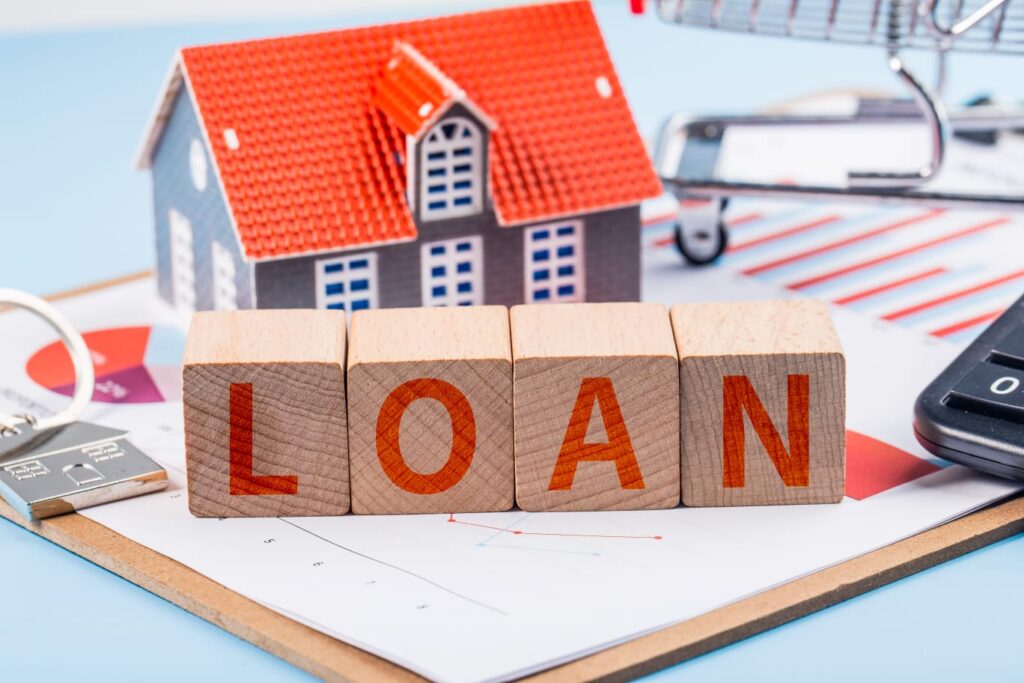
A mortgage, also referred to as a home loan, is a loan that is provided by a lender for the purpose of buying a home. The borrower agrees to pay the loan back over a certain time period, typically 15-30 years, and pays interest on the loan. Understanding how to obtain a home loan can help the buyers to get ready financially and boost their chances of being approved for a loan.
Step 1: Check Your Credit Score
One of the initial steps in acquiring a home loan is to take into account your credit rating. One of the most significant aspects that lenders consider is your credit score. Generally, someone with a higher credit score will get a better interest rate and loan terms.
Purchasers are advised to thoroughly check their credit report prior to entering into a Home Loan application to rectify any inaccuracies if required. Before applying for a mortgage, building up credit scores could be achieved by paying bills on time, reducing debts, and taking some time to refrain from taking on new credit.
Step #2 is to Assess Your Money Situation.
Lenders would like to know the borrowers’ income is stable and that they can afford to pay back the loan. Before a person takes up the mortgage process, they should have a look at their monthly income, costs, debts, and savings.
The debt-to-income ratio—the ratio of monthly debt payments to monthly income is one important factor. Having less debt makes it more likely that you will be approved for a mortgage. Purchasers should also budget for the down payment, closing costs, moving costs and home maintenance.
Step 3: Save for a Down Payment
Down payment is the initial sum that is paid for home buying. The United States has numerous loan programs that enable buyers to put down smaller down payments, sometimes as little as 3% to 5% of the home’s value.
FHA, VA and USDA loans are government-backed loans that can be even more affordable! One way to help lower the monthly payments and the entire mortgage amount is to save for a larger down payment.
Step 4: Learn about the various types of loans
In America, there are a few different kinds of Home Loan and it is important that you select the right one. Conventional loans are widely used for individuals who possess good credit and have a steady income. FHA loans are intended for consumers who could have lower credit scores or restricted saving.
Eligible veterans and military families can use VA loans; and USDA loans are available to help veterans and military families buy homes in qualifying rural areas. The specifications of each type of loan vary in terms of requirements, interest rates, and advantages.
It is important to be aware of these choices so buyers can choose the mortgage that is most appropriate for their finances and future plans.
Step 5: Get Pre-Approved for a Mortgage
Pre-Approval is a crucial stage in the home buying process. The lender will review the buyer’s financial data and determine the approximate amount of loan that they can qualify for during pre-approval.
With pre-approval, buyers will have a clear amount to spend, and it also demonstrates home sellers that they are serious and ready to spend. To be able to do this, your lender might require you to submit the following documents:
- Pay stubs
- Tax returns
- Bank statements
- Employment verification
- Identification documents
When you’re looking for a home in a competitive market, a pre-approval letter can make it easier to get a leg up.
Step 6: Compare Mortgage Lenders
Various lenders have different interest rates, charges, and loan terms. Homes can cost buyers thousands of dollars more or less over the course of a loan by comparing various lenders.
When choosing a lender, customers must consider annual percentage rates, Home Loan costs, loan periods and customer reviews. Just a slight variation in an interest rate can make a big difference in payments and the overall expense of the mortgage.

One of the best financial moves you can make during the mortgage process is to ensure you shop around to get the best deal.
Step 7: Start House Hunting
Once mortgage pre-approved, buyers can start looking for homes within their budget. Hiring an expert real estate agent could make the process easier to handle and make negotiating easier.
Home buyers need to take into account location, neighborhood safety, school systems, transportation and future property values when selecting a home.
It’s crucial to remain within your budget and not to buy a home that puts strain on you financially.
Step 8: Fill in Loan Application
After home buyers have a house they want to purchase, they file a formal mortgage application with the lender. At this point, the lender scrutinises the buyer’s financial status, credit history and the property itself.
The lender might require a house valuation to ensure the value of the home. It can also be necessary for buyers to have a home inspection to check for any potential repair issues before signing the purchase agreement.
The final step is Loan Approval and Closing.
Once the lender has approved the loan, you’ll move on to closing the loan. Buyers sign legal documents, pay closing costs and officially complete the home sale during closing.
Appraisal fees, taxes, attorney fees, lender charges, and title insurance are all possible closing costs. Once all documents have been signed and paid, the property is now owned by the buyer.
Some Homebuyer tips:
- Stay stable and don’t get into new debt when getting a mortgage.
- Shop around for a loan that offers the lowest interest rate and lowest monthly payments.
Conclusion
While there are a number of important things to consider when obtaining a home loan in the United States, good planning will make the process go so much easier. From good credit scores and down payments to comparing lenders and finalizing the loan process, each step is crucial to achieving successful homeownership.
When armed with knowledge about the mortgage process and making financial preparations, buyers can make informed decisions and realize their home-buying goals. By budgeting carefully, researching and remaining financially disciplined, first-time buyers can find the right mortgage and create a solid foundation for their future home ownership.