Introduction
American Loan are a key component of the economy. Loans are used by millions of people to buy big things and for personal needs. Borrowers use home loans, auto loans, student loans and personal loans to achieve their financial objectives. These types of loans give access to financial resources in case you don’t have cash available.
A lot of borrowers just pay attention to interest rates. They make a comparison of monthly payments and requirements for approval. Loan agreements, however, may also include extra fees that raise the total cost of the loan. These fees are also referred to as hidden fees.

Over time, hidden fees can add up. There may be unanticipated fees when borrowers sign agreements. There are fees that are explicitly stated and fees in long bits of the contracts. It’s helpful for borrowers to understand these charges to prevent any unpleasant surprises.
By scrutinizing American Loan agreements, borrowers can make judicious choices. By educating yourself about hidden fees, you become more aware of your finances, and you will safeguard your financial well-being.
What are hidden fees?
There are several ways of how lenders generate income. The highest revenue is from interest payments. But many financial institutions also levy charges for processing services in connection with American Loan management.
There are fees that are justifiable costs of business. Lenders incur costs in processing applications, verifying information and keeping accounts. These are operations that may incur extra charges.
Any other cost may lead to an increase in the lender’s profits. Some contracts incorporate fees that the borrower may not realize when applying for the contract. These fees can add up to a higher cost of borrowing.
Technical jargon is often used in American Loan documents. A lot of borrowers are uninformed about legal and monetary terms. This means that significant details about fees might be missed until later in the process.
Contracts can be complicated and hidden fees are a result of that. When you look at American Loan applications, the first thing most people think about is approval and monthly payments. Additional fees may not be mentioned in detail. This may allow for any additional expenses during the American Loan period.
Knowing the reasons behind these fees enables a closer examination of contracts. Being mindful helps make sounder financial choices and fends off avoidable spending.

Some of the more common types of hidden loan fees are:
There are a number of hidden fees that are included in the terms and conditions of American loan. The cost of these charges is different for different lenders and American Loan products.
Application Fees
Application fees are applied to cover American Loan application review. Certain lenders will need payment prior to application processing. This money may be lost even if the applications are not approved.
Processing Fees
Processing charges are used for the preparation of documents. The fees may be collected at the time of the lending process. The fees can differ based on the size of the American Loan .
Administrative Fees
Administrative fees include account management activities. Charges may be imposed upon account opening and account maintenance.
Verification Fees
Some lenders require borrowers to pay them to verify their employment status. Some offer fee for income review or identity verification.
Documentation Fees
Documentation fee cover drafting legal documents. These fees are typically found in home American Loan and car loans.
Service Fees
Service fees include continuing service support. These fees are sometimes paid on a regular basis during the term of the American Loan .
While the charges may seem quite low, the cumulative effect of multiple fees can make a big difference in the cost of borrowing over time.
The financial implications of Loan Origination Fees.
One of the most prevalent hidden fees is origination fees. These fees are paid to the lender for processing and closing new loans. When you take out a personal loan, a mortgage or a business loan, you’ll likely run into origination fees.
Typically origination fees are a percentage of the amount borrowed. There is a correlation between origination costs and the size of the American Loan . A small percentage can be a big number of dollars.
For instance, someone who is taking out a large loan could run up hundreds or thousands in origination fees. These fees are applied to the real amount received, but the amount to be repaid remains the same.
Many people look at interest rates when they’re thinking of taking out a American Loan . They don’t factor the origination fee into the total cost of the loan. This oversight can lead to higher than anticipated loan costs.
- Effects of Origination Fees
- Raise overall American Loan costs.
- Decrease the amount of money that is available to the borrower.
- Increase effective borrowing rates.
- Increase repayment obligations.
- Lower financial flexibility.
Have an impact on long-term budgeting plans.
It’s good for borrowers to compare origination fees from different lenders, so they can find the best financial opportunity. The differences in fee sizes can make a big difference in your savings.
Prepayment Penalties and Early Repayment Charges:
When you redeem the investment before the due date, you may incur these costs. There’s a misconception that when you pay off a American Loan early you will save money. Some contracts have prepayment charges, whereas early repayment usually decreases the interest cost.
Prepayment penalties: penalties against borrowers who pay off their American Loan early. Lenders add the clauses in part because they lose interest money if the debt is paid off early.
Many borrowers tend to overlook pre-payment options when reviewing the contract. They are more interested in the things that they need to approve and the monthly payments. Later, they find out about the penalties for early repayment.
The amounts of these fees are dependent on each lender. Some penalties are fixed dollar amounts. Others rely on the balance left or loan term.
Prepayment penalties can make it a disincentive to be financially flexible. If there is a penalty for paying off the debt early, a borrower might be reluctant to refinance or pay off debt.
The most frequent prepayment penalty options are:
Fixed Fee Penalties
If the loan is sold before its closing, as is often the case, there is a predetermined amount.
Percentage-Based Penalties
The lender has a set percentage of the loan balance remaining.
Interest-Based Penalties
The borrower has to pay a part of the future interest on the loan.
It is important to read through these clauses before signing to avoid any unpleasant surprises and better manage your finances in the future.

Late Payment Fees and Account Maintenance Costs
Another hidden fee is late payment fees. The majority of lenders will charge a penalty if the payment is late. Such fees can be imposed upon the end of grace periods.
Each late payment can cause a lot of financial stress. In addition to penalty fees, borrowers could be charged more interest. This combination adds up the loan costs very quickly.
The costs of maintaining the accounts can also impact borrowing costs. Some lenders have the fees for managing a customer account. These charges can be monthly charges, quarterly costs or annual costs.
Other fees may apply:
- Paper statement fees.
- Payment processing fees.
- Telephone payment fees.
- Account modification fees.
- Returned payment fees.
- Balance inquiry fees.
These charges might seem inconsequential when added up one by one. But the interest adds up over the course of a loan.
An automatic payment function can minimize late payment concerns. Avoiding penalties and processing fees also means having adequate account balances.
When signing a contract, make sure you read carefully and never pay any hidden fees.
To spot the hidden fees, it takes time and care. Before agreeing to terms of a loan, borrowers should read and understand each section of the agreement.
What Hidden Fees to Lookout For Before Signing Up
Be patient and attentive to find hidden fees. It is important for the borrower to read each section of a loan agreement before agreeing to any loan terms.
Read all of the Contract.
In many instances, important fee disclosure information is explained in detailed sections. You gain the understanding of financial obligations by reading each page.
Request Written Explanations
It’s important for borrowers to request that lenders clarify upfront any ambiguous fees. Written responses are important documents for future reference.
Shop around for mortgage loans.
When you look at the contracts of a number of lenders you will be able to see the difference in fees. This approach will help narrow down the more affordable loans to borrow.
Calculate the Annual Percentage Rate
The annual percentage rate may be a better indicator of the costs of borrowing than simple interest rates. This is a more comprehensive view of the financial situation.
Review Fee Schedules
There are some lenders that offer separate fee schedules. The documents provide useful information about the additional charges.
Ask Specific Questions
Important questions include:
- Do you need to pay origination fees?
- Are there any prepayment fees in the loan?
- What charges are there for maintenance?
- What if they miss their payments?
- Will processing fees be refunded?
Before agreeing to a loan with a new lender, borrowers should do their homework to prevent expensive pitfalls and ensure financial security.
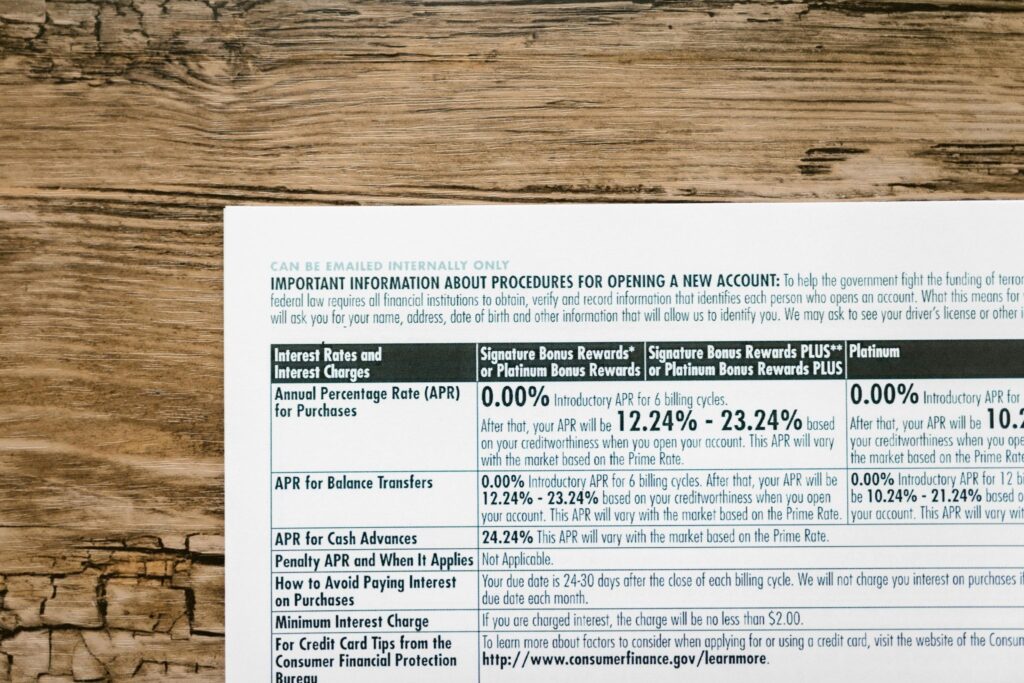
Special tips about how to prevent needless loan charges
Use these tools to help:
- Compare several lenders.
- Negotiate certain fees.
- Keep an excellent payment record.
- Take advantage of automatic payment systems.
- Carefully read all disclosures.
- Avoid unnecessary refinancing.
- Check account statements on a regular basis.
Careful planning and financial discipline help to minimise unnecessary loan costs.
Conclusion
One major issue that continues to plague American loan contracts is hidden fees. Besides interest rates, there are other charges that are borne by the borrower that can considerably increase the cost of borrowing. Expenses can also include origination fees, processing fees, maintenance fees, late payment penalties and prepayment fees.
A lot of borrowers experience monetary shocks because they don’t take note of contract specifics. The careful review of agreements can help determine potential risks before signing. Familiarizing oneself with the lenders and their questions, and knowing what your fees are, make the borrowing decision easier.
One of the best resources consumers have is knowledge. Borrowers can safeguard their finances, avoid unnecessary expenses, and attain better long-term financial stability by knowledge of hidden fees and by carefully reading and examining contracts. The first step in responsible borrowing is to know all of the costs that are embedded in a loan.

