One of the most significant factors for loans in America is incomes. Banks and lenders are interested to know whether a person has the financial means to pay back a loan easily. When people apply for a loan, lenders will look at their income and financial situation. In the case of a mortgage application, loan for a personal car, loan for a business or a business loan, income is always a big factor.

When a borrower has a consistent income, the lender can be sure that they will be able to pay their monthly bills. There are many individuals who think that only credit scores are relevant in acquiring a loan. In fact, income is crucial. Those with excellent credit records can still be turned down if they don’t have a high income. When applying for a mortgage, it is important to understand how lenders consider income to increase the likelihood of being accepted and to receive the best terms possible.
The Importance Of The Income In Loan Approval
Income is a measure of repayment capacity. They wish to see proof that borrowers are prepared to cover their monthly payments and living expenses. A stable income reduces risk for banks. It indicates the borrower’s steady Incomes stream, on a month-to-month basis. This helps make lenders more at ease to grant loans. There’s also an impact on the loan size being offered and the interest rate, which is also determined by income.
Those who make more money may be eligible for higher loan amounts and more favorable conditions when repayment.If a borrower doesn’t have enough money to pay back the loan, they could risk not paying back the loan or defaulting on the loan in the future. That’s why income verification is part and parcel to a loan application in America.
The Various Sources Of Income That Lenders Accept
There are various kinds of income that lenders in the U.S. will accept in various loan programs and borrower profiles.
Common sources of income are:
- Salary from full-time employment
- Hourly wages
- Self-employment income
- Rental property income
- Retirement benefits
- Social Security payments
- Investment earnings
Most lenders prefer a steady income that is easily verifiable. It is often easier to find a full-time job than a temporary or seasonal job. Self-employed persons and freelance workers might require more paperwork to document a steady Incomes stream.
Job Security Is Also A Factor
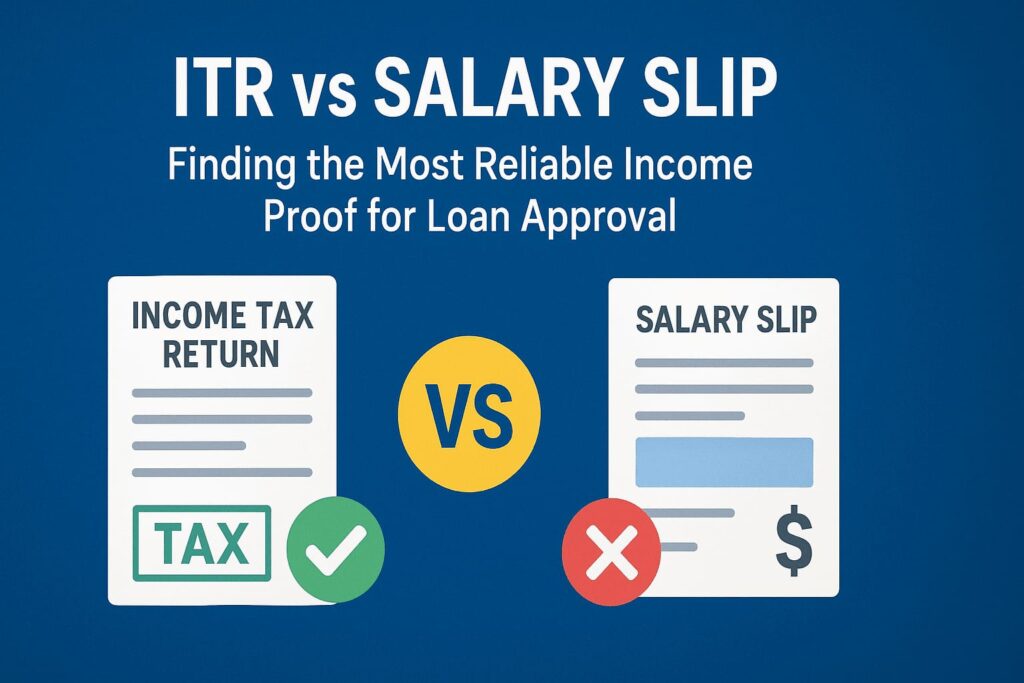
However, banks don’t just look at the amount of money a borrower makes. They also look into the more stable nature of the employment. Having been employed in the same firm for a few years could seem less risky than a man who switches jobs regularly. The consistency and financial responsibility of long-term employment are evident. Lenders will ask for documents like pay stubs, tax returns, and letters of authorization from employers.
These documents assist in establishing the borrower’s income and employment. Stability of employment is even more significant for large loans, such as a mortgage. Banks desire assurance from the borrower that he will be earning during the repayment period. Those who have had inconsistent jobs can be subject to more stringent criteria or higher interest rates for approval.
Debt To Income Ratio Is A Major Issue
One of the most crucial calculations for loan approval is the debt-to-Incomes ratio, otherwise known as “DTI. It takes a look at the monthly debt obligations versus monthly income. For instance, if someone has an income of $5,000 per month and debts of $2,000 per month, the ratio would be 40%.
A lower DTI means:
- Better approval chances
- Lower financial pressure
- Higher borrowing power
- Better loan terms
Lenders may be wary of a high DTI ratio because it indicates that the borrower has a lot of debt.A lot of people with good incomes can find it hard to qualify for a loan, regardless of the amount, when they have excessive debt.
Income Affects Loan Amount And Interest Rates
Before a money lender will give loans, Incomes plays a major role in them. If the income is good and steady, then a borrower may be able to take out a bigger loan, as the likelihood of the loans being repaid seems to be lower. The higher the income, the more likely borrowers will receive lower interest rates. The loan terms are superior for those who are financially stable when they apply to the bank.
If you borrow from low-Incomes lenders, you may find that they offer less favorable terms on your loan. Other lenders may also request other guarantees, e.g. co-signer. When banks make a decision on whether to lend or not, they are careful to take the risk and the profit into account. A high Incomes level lowers risk for lenders. This is why a lot of borrowers work on enhancing their financial position prior to making an application for significant financing.
Self-Employed Borrowers Will Be Subjected To A Greater Number Of Reviews
Self-employed people are subject to a more in-depth loan review process. They can earn more or less each month than their previous month.Typically, lenders require self-employed borrowers to provide:
- Two years of tax returns are required.
- Financial statements: Profit and loss statements are used in businesses.
- Records of business bank account fees
- Client payment history
Numerous business owners take advantage of tax deductions to reduce their taxable Incomes . This can lower taxes, but could also lower reported earnings during loan reviews. Banks want to see that there is a consistent and reliable stream of Incomes to the borrower’s business over time. Freelance, contractors and small business owners can better the odds of getting financial approval with solid documentation.
The Economic Decision-Making Process Affects Lending
Overall economic circumstances also play a role in determining the Incomes of lenders. In times of economic uncertainty, banks tend to be very careful about lending. Financial risk can be heightened due to high unemployment, inflation, and rising living costs. As a result, lenders might become more restrictive in their approvals. During tough economic times, banks may want to see that you have a higher Incomes or better finances before they will give you a loan. In good economic times, loans might be more readily approved due to the increased employment and greater financial confidence. The economy affects the policies of the banking system in the United States, and can impact borrowers regardless of income level.
Conclusion
In America, income has a large impact on the loan’s approval. Income is used by banks and lenders to assess their clients’ ability to repay loans, financial stability and lending risk. A steady income, employment, and manageable debt levels can enhance the likelihood of approval and offer better loan terms to borrowers. However, limited and unreliable earnings could result in more stringent lending policies or loan denials. Lenders want to ensure that borrowers will be able to afford their monthly payments without a financial strain. This is why it is still a major component of the lending process to verify income.