Introduction
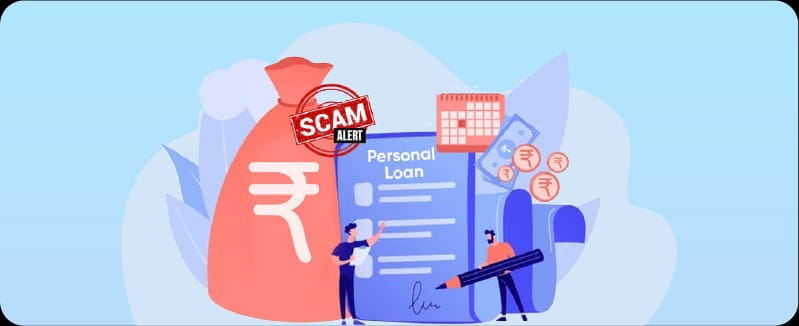
Advance tricks to avoid Loan Scams in the USA are a huge issue in the Joined together States, affecting thousands of people each year. Those who are frantic for cash, are on the unstable conclusion of credit, or do not get it money related frameworks are all at hazard for tricks.
They claim to be authentic moneylenders and offer to ensure credits, offer moo intrigued rates, or claim to be able to favor credits rapidly. But their genuine thought processes are to make off with cash or individual data. People who know what Loan Scams in the USA are about and what to look for to avoid getting ripped off or losing their identity will be better able to avoid financial problems and identity theft.
How to Identify a Loan Scam
A loan scam is when someone poses as a lender and gets consumers to pay fees or enter personal information with the promise of a Loan Scams in the USA, but never actually advances any money. Scammers may reach out to their casualties through phone calls, emails, content messages, social media advertisements or fake websites. They might say that the individual looking for a credit can be pre-approved indeed if they do not have a great credit score. They often require payments (processing fees, insurance, security deposits) in advance before they give the actual loan amount. After getting the installment, the hooligan goes away.
Frauds can see greatly persuading, as scammers utilize legitimate-sounding company names and professional-looking locales and archives. A few indeed utilize the names and logos of genuine budgetary educate to instill certainty.
Several common types of loan scams
In the USA, there are a few different types of Loan Scams in the USA. An often-seen fraud is advance-fee loan fraud. In this type of scheme, the scammer will require the borrower to pay a fee prior to the loan. Legitimate lenders typically will not require payment of fees up front, but rather will charge them against the loan amount.
The payday loan scam is another popular scam. Fraudsters provide quick Loan Scams in the USA that are approved at once with the pressure to pay off hidden fees and/or high interest rates. Some false lenders may also threaten borrowers with legal action in the event that their payments are not being made.
Scams involving personal loans are common, too. These scams may be directed at those with low credit scores who are promised approval. Scammers know that when people are desperate for money they might overlook some of the red flags.
Look for the following red flags of a loan scam
One of the best methods of avoiding becoming a victim is by recognizing the warning signs. A major red flag is a lender asking for up-front payment before they approve the loan. A good lender will not offer up a loan and charge advance fees.
The other red flag is that the lender can be certain that the loan will be approved, regardless of the credit history. The lender has to review the income, debt, and credit reports for approval of the Loan Scams in the USA. If a business states that there are no criteria, they are likely to be a scam.
Scammers frequently make a rush seem to be essential. They may rush the borrower if they are concerned that if they don’t act soon they will lose the deal. This ruse makes it hard for consumers to take the time to thoroughly investigate a company.
How to check whether the lender is legitimate or not
Borrowers should check the authenticity of the lender prior to taking out a Loan Scams in the USA. One of the first things to do is to see if the lender is registered in the state that it is operating in. The majority of the legitimate lenders in the USA are bound by state and federal rules and regulations.
hecking customer reviews and ratings can also be helpful to uncover scams. Reports are frequently found on trusted online review sites, consumer protection sites and financial forums from past customers. The lender should not be chosen if there is a high level of complaints of fraud or missing funds.
Lenders’ websites should be thoroughly reviewed by borrowers. A respectable company will typically have an actual address, customer service telephone number, a privacy policy, and definite loan terms. Secure websites also employ “https” security to safeguard the personal information.
Protecting Individual Information
It’s vital to protect delicate data when applying for credits online or by phone. Financial information such as Social Security numbers, banking passwords or debit card PINs should never be shared with lenders they don’t know.
With robust passwords and secure Internet connections, there is less of a chance of falling victim to online fraud. Programmers can take information and the dangers related with open Wi-Fi systems make it troublesome to make budgetary transactions.
Regularly checking your bank accounts and credit reports can be utilized to recognize suspicious action early. Changes that aren’t explained, credit accounts that you don’t recognize, or Loan Scams in the USAthat you didn’t apply for could mean that you are the victim of fraud or identity theft.
It’s also important for consumers to watch out for unsolicited Loan Scams in the USAoffers.
Role of Government and Consumer Protection Agencies
The USA has several agencies that are tasked with the duty of safeguarding consumers against loan scams. Consumers can learn about financial scams from the Federal Trade Commission (FTC) which has a Fraud Squad to investigate fraudulent lending practices. The Consumer Financial Protection Bureau (CFPB) also oversees lenders and files complaints regarding unfair financial services.
State attorney general offices will enforce state laws against fraudulent lenders in their state. Combatting these fraudsters with reports to these agencies can help prevent criminals from continuing and also warn others consumers.
Additionally, credit bureaus have a crucial function to help safeguard consumers. To lessen the impact of identity theft after the information has been stolen, consider freezing or monitoring your credit reports.
Advice on how to take out a loan safely
By practicing safe borrowing, borrowers can minimize the risks. It’s advisable to shop around among several lenders when deciding on a loan. Interest rates and terms vary from lender to lender, and it’s important to do the comparison to find offers that are realistically attainable.
It’s crucial to read all loan papers carefully. Borrowers should be aware of the terms and conditions of the loan, as well as the penalties and the overall cost of the loan before signing any agreement.
However, you should also stay away from lenders who claim to have no questions about your financial situation and will approve you for a loan. Good lenders are the ones who check the capacity of the borrower to pay back prior to providing a loan.
Conclusion
Loan scams are still a hazard to consumers in the United States, especially to those who have financial problems. The scammers promise you things that they cannot deliver, they create fake websites and pressure you to make a decision of giving them money or your personal information. But there are numerous scams that can be prevented by being aware of them and doing careful research. Knowing how to spot red flags, checking lenders, being aware of your personal information, and reporting suspicious activity are crucial steps to financial safety.