When people apply for loan approval in the United States, lenders will check several aspects of one’s finances to determine whether they are approved or not. One of the most crucial ones is assets. Assets provide creditors with a better idea of a borrower’s ability and financial strength to manage their debt payments responsibly. Assets can include cash in savings accounts, real estate, investments, retirement accounts, and important items of property.
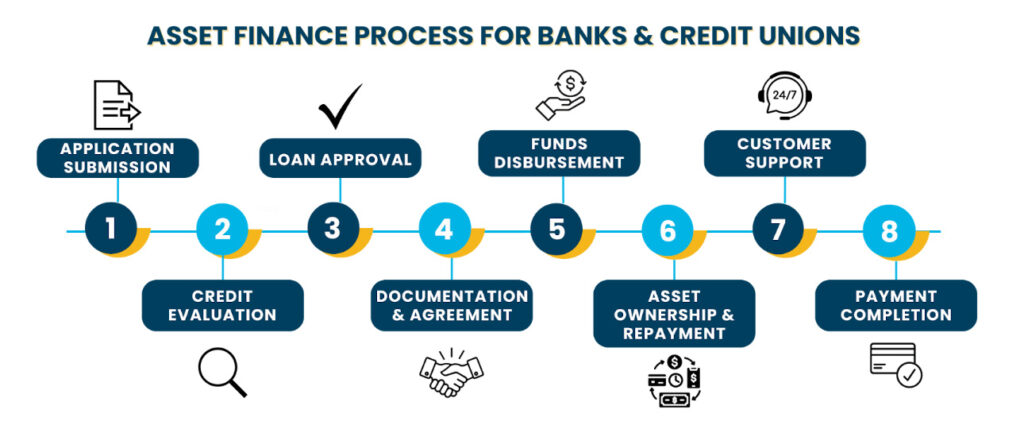
Generally, if a customer has some good assets, he or she has higher chances to be approved by the lender since he or she is considered to be financially stable. Assets also provide lenders with assurance that borrowers will be able to continue payments through tough financial times. This article will help you understand the importance of assets in loan approvals in America and how they play a role in the loan application process.
Lenders Use Assets to Measure Financial Strength
Before lending, lenders always strive to minimize financial risks. These assets enable them to determine if a borrower can afford the repayment of the debt in a timely fashion.
Lenders tend to look at the following when considering an application:
- Savings account balances
- Real estate ownership
- Investment accounts
- Retirement funds
- Valuable personal property
A borrower who has solid assets will look like a more responsible borrower. Lenders are aware that assets can cover future Loan Approval although there may be temporary income problems. Those with minimal assets may be required to meet more demanding loan requirements, particularly with regard to larger loans such as mortgages or business loans.
Saving Accounts Enhance Approval Potential
One of the most valuable assets during the loan approval process is the savings. People with good savings habits are seen as financially disciplined and prepared to handle emergencies, preferred by lenders.Having a well-stocked savings account is a testament to a borrower’s ability to handle their finances with care. It also helps to give peace of mind that you will be able to pay your bills every month, even if you get laid off or fall ill.
Those who have a good savings history may get better offers on their loans and loan approvals quicker. It is also easier for many lenders to approve higher loan amounts when the borrowers have emergency savings. Lenders will likely require borrowers to have a significant financial cushion of savings to cover several months of repayments in the case of mortgage loans. This reduces lenders’ financial exposure and enhances borrower credibility.
Real Estate Ownership Builds Trust
In America, having property can have a positive impact on getting a loan. Real estate is viewed as a good long-term investment that builds financial credibility. Lenders are more likely to see homeowners as being financially secure when they have already successfully dealt with a large financial obligation. The ability to borrow and loan conditions can also be affected by property ownership. Home equity loans are an example of the loans that can be obtained by homeowners based on the value of the home that they have created.
Equity is the amount of money that the home is worth compared to the amount still owed on the mortgage. Another advantage of real estate assets is that they can also make borrowers more likely to get a mortgage for a higher sum as lenders view owning a home as a testament of financial stability.
Investment Assets Enhance Financial Profiles
The stock market, retirement savings, and mutual funds are all avenues that can help boost your chances of getting a loan approved. These assets demonstrate long term financial planning and responsible use of money Lenders are more likely to approve a loan if borrowers have investment assets as they can offer greater financial security.

Typical investment assets include:
- Stocks and bonds
- Retirement savings accounts
- Mutual funds
- Business investments
- Cryptocurrency holdings
Investment portfolios that are large can boost the applications for mortgages, businesses loans, and personal Loan Approval . Retirement accounts are particularly important as they highlight financial planning for the future. Investment values can be up or down, but they add to the borrower’s financial strength.
Lending Risk is Lowered by Assets
One of the big reasons for assets is that they minimize financial risk for the lender. During tough times, when payments may be hard to make, banks want to be certain that borrowers can keep up the payments. The more solid the assets, the less likely a borrower is to miss payments, since a fall in income will not completely deplete a borrower’s financial reserves. This will help lenders feel more secure when approving loans. Assets also help financial flexibility of borrowers.
Those that have savings and investments will be better able to respond to emergencies without defaulting on their debts. In times of economic downturn, lenders put more focus on assets, as they offer additional peace of mind in uncertain times.
Assets and Credit Scores Work Together
While assets are crucial, lenders also look at your credit scores when it comes to a Loan Approval . A great set-up with solid credit is a formidable financial profile.
Lenders usually review:
- Payment history
- Existing debt levels
- Savings stability
- Credit card usage
- Overall financial management
A high-risk borrower is generally someone who has poor credit and assets. As a result, you could have a lower rate of interest, increased loan amount, and flexible repayment plans. While most individuals with moderate income would not qualify for the Loan Approval , they would be more likely to be accepted if they have good assets and good credit habits.
Organizing Financial Documents Is Important
A proper financial arrangement can make the loan process easier and more speedy. Borrowers must make clear records to show ownership of assets and financial stability.Lenders can easily check financial details using documents like bank statements, property records, tax returns, and investment reports.Having organized records makes a positive impression when applying for jobs.
Lenders like borrowers who can give them full and accurate paperwork on time.Borrowers should also keep a look out for any unusual financial activity prior to taking out any loans. If you have large deposits or withdrawals that aren’t explained this could raise red flags and result in more questions from the lender.When done properly, preparation increases confidence and increases the odds for a successful loan.
Conclusion
In America, assets are a significant factor in determining whether or not a loan will be approved. Lenders assess financial strength and the ability to repay based on savings, real estate, investments, and retirement accounts. Borrowers who have solid assets will be seen as more reliable and financially stable. Assets can help boost approval odds, and reduce interest rates and loan amounts.

They also lower the risk of lenders by assuring that borrowers have financial support in case of emergencies. Strong assets, while important for loan approval, are also a factor taken into account by lenders, who also look at credit scores and income stability. If the financial planning and responsible use of assets are well done, it will enhance the availability of loans with low interest rates in the United States.