Introduction
Loan Borrowers are a significant component to monetary life in America. Loan Borrowers are used to cover emergencies, education, vehicle purchases, starting a business, and home purchases. Getting a loan can be a great way for people to reach their objectives, but it can be a huge financial dilemma if not taken care of responsibly.

There are a number of typical mistakes that borrowers make which can cause them to become financially stressed, to poor credit ratings, to paying high interest rates and to financial instability later in life. It’s important to know these pitfalls when you’re considering taking out a Loan Borrowers in the USA.
So many books are borrowed that they are more numerous than are available
The most frequently made financial blunder by most borrowers is to borrow more than they need. Lenders can make you a significant Loan Borrowers based on your income or credit history but it doesn’t necessarily mean that you should take the maximum amount from them. The bigger the loan, the higher the monthly payments will be and the more interest will accrue over the course of the Loan Borrowers . People often end up in debt due to the fact that they do not realize that it will be hard to pay back later. It is important for borrowers to figure out their actual requirements and not take unnecessary loan to ensure financial stability.
Ignoring Interest Rates
Numerous borrowers only concern themselves with their monthly installments and neglect to consider the rate of interest connected to the financial loan. The overall expense of borrowing money is influenced by the interest rate. A slight disparity in rates can make a huge difference in the amount of repayment over a number of years.
Some borrowers opt for lower monthly payment loans, but at very high interest rates, and end up paying thousands of dollars more. Because it helps borrowers make informed decisions about their loans, it is important for them to compare lenders and understand the differences between fixed-rate and variable-rate loans.
Missing Loan Payments
Some of the most harmful financial errors that borrowers can make is late or missed payments. In the U.S., payment history is a key element of a credit score. Failure to pay on time will result in penalties, increased interest rates, collection calls and, in extreme cases, legal action. It also can make it harder and costlier to borrow in the future. It is important for borrowers to establish a payment plan; make automatic payments, if available; and be sure to have an emergency savings account to ensure they do not fall behind on payments.
Struggling to make ends meet by relying on credit cards
Credit cards can be a great financial tool if using them wisely, but many Americans aren’t using them properly. If you carry high balances and pay the minimum, it can take a lot of years to pay off debt, given the high interest rates on credit cards. Some borrowers pay for their living expenses with credit cards; they have no repayment plan. This practice can take an expensive toll. Adhere to the use of credit cards, pay balances in full when possible, don’t use credit card limits as additional income.
It’s best to steer clear of Payday Loans Frequently
Payday loans, also known as cash advance loans, are short-term loans that are used to get cash prior to the end of the borrower’s next paycheck. They can appear to be beneficial in an emergency situation, but often have very high interest rates and charges. Often borrowers end up in the cycle of borrowing and repaying multiple payday loans. This financial burden and debt continue to mount. Payday lenders are not the preferred choice for borrowers; they should look at other safe sources of financing like a personal loan, emergency savings or financial aid.

Ignoring Budget Planning
Another top financial error that’s made by borrowers has to do with the budgeting process. People may not be able to determine the amount they can afford to pay back if there is no budget. Some borrowers have borrowed money when they are already having some problems with their bills and expenses. This can cause a financial burden and late payments. Making a monthly budget can assist borrowers to understand their income, spending patterns and debts. When it comes to loans, with proper planning, you can ensure that your Loan Borrowers payments are within your budget.
Many people refinance without proper research
Sometimes, refinancing can mean that borrowers can obtain a lower rate of interest or a lower monthly payment. But if there are no worries about the costs and consequences, it can be a mistake to refinance. Certain refinancing methods have a longer term, which means that the borrower will end up paying more interest in the long run. Others include extra charges which diminish the benefits. Before deciding, borrowers need to know how much refinancing offers really cost, and determine the long-term costs.
Let’s take a look at the hazards of co-signing loans without realizing them
American’s are often times asked to co-sign loans for family members or friends, but have no idea of the financial liability. If the borrower dies without paying the loan, the co-signer assumes his debt. This can have a negative impact on the co-signer’s credit score and cause financial problems. Co-signing should never be a situation of doing it by impulse. The borrower(s) and co-signer(s) need to be fully aware of the risks and have faith that the Loan Borrowers will be paid back in a responsible manner.
Tapping Loans for Improvements Not Essential
A few borrowers use loans for purchasing luxury items, vacations, expensive electronics or unnecessary lifestyle expenses. It is easy to get into the habit of paying for non-essential expenses with money borrowed, but this is not of much benefit in the long run. The ideal purpose of using a Loan Borrowers is to invest in something or spend on something that is essential for a person to attain future financial security, like a house, education or business venture. It is important to be able to tell the difference between needs and wants when it comes to responsible borrowing.
Failing to Build Emergency Savings
Medical and health costs, car repairs, or a job loss are all unexpected expenses that may complicate Loan Borrowers repayment. Emergencies require many borrowers to use credit as their only source of funds. This adds to debt burden and strain on finances. An emergency fund not only acts as a financial cushion, but also decreases reliance on borrowing during tough times. It’s also worth noting that small savings over time can add up to significant savings.
Applying for Too Many Loans at Once
Multiple applications for loans in a brief time frame can have a negative impact on credit rating. Every lender can make a hard inquiry on the borrower’s credit report that will temporarily reduce the score. If you apply for more than one loan, it might also indicate to lenders that you’re in trouble. Before taking out a loan, borrowers need to find out about their Loan Borrowers options thoroughly and refrain from making any unnecessary inquiries.
The failure to assume student loan duties
Many Americans have a big debt load from student loans. Some borrowers don’t know how to repay the loan, or what deferment options are available, or how much interest will be charged while they are in school. When a student loan becomes delinquent, the student may default on the loan, have their wages garnished, and their credit rating might be negatively impacted. Borrowers should be aware of repayment options, be ready to consider income-driven repayment options if necessary, and contact Loan Borrowers servicers if they are experiencing hardship.
Conclusion
While taking advances can be useful if utilized admirably, budgetary mess-ups can make credits a long-term burden. Borrowing as well much, ignoring intrigued rates, falling flat to reimburse on time, and not budgeting are as it were a few of the common botches that can have genuine budgetary results.
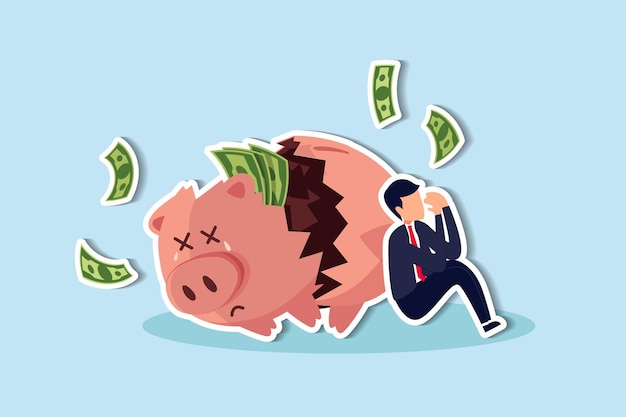
Dependable borrowers teach themselves approximately advance terms, carefully oversee their obligations and arrange ahead for future costs. Avoiding these common pitfalls is a way that Americans can keep their finances healthy, have good credit and can be more financially stable in the years to come.