Introduction
One of the most common Payment Loans types used in America is a fixed payment loan. These loans are used by millions of Americans for home, car or school costs and other expenses. One of the main reasons borrowers prefer fixed payment loans is predictability. The monthly principal and interest payments never change during the loan period, which helps to simplify budgeting and decrease financial worry.
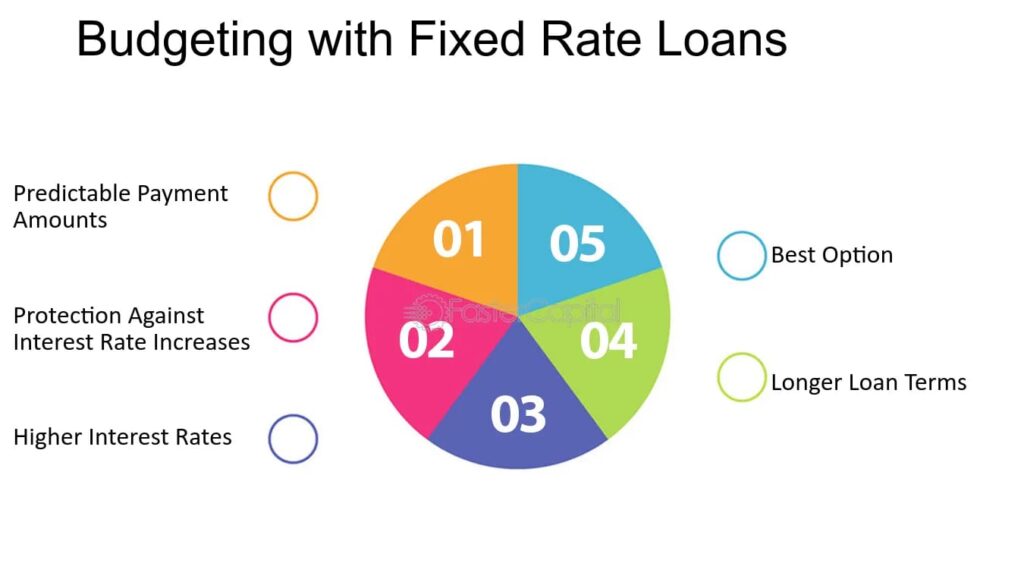
Fixed Payment Loan is a type of loan that carries a consistent interest rate.
A fixed payment loan is a loan where the monthly payment is the same throughout the life of the loan. The payments are not changed after the loan is approved unless it is refinanced or adjusted.
Typically, fixed monthly payment covers both principle and interest. The amount of the payment doesn’t change, so borrowers can always be sure of the amount they have to pay for each month until the loan is paid off.
How Fixed Payment Loans Work
A fixed payment loan is approved by the lender, and there are several factors that go through his or her calculations when deciding on the monthly payment. These include the amount of the loan, interest rate and the length of time that the loan is to be repaid.
The lender uses these factors to determine a fixed monthly payment that will ensure that the loan is paid back over the term. The borrower will then pay this amount monthly as per the loan agreement.
Understanding Amortization
Usually fixed payment loans utilize an amortization timetable. Amortization is the process of systematically repaying a loan over time (typically in monthly installments).
The initial payment of a loan is allocated more to interest. The more the principal is reduced, the less interest will accrue, and the more of each payment will go towards the principal.
The total principal and interest paid remains constant, but the proportion of each varies from year to year. This is repeated until the loan amount is completely paid off.
Fixed Payment Loans are the most popular loan type.
The most common types of Fixed Payment Loans are: In the United States, there are several types of loans that have fixed payment plans. Fixed-rate mortgages are one of the most popular types of mortgage. Borrowers get a set rate of interest and pay the same monthly installments over the life of the loan.

Fixed payments are also commonly used for auto loans. Individuals who use a loan to purchase a vehicle make regular payments on the loan for the vehicle over time. Most often, personal loans are also on fixed repayment schedules. They can be applied to consolidate debt, medical bills, home improvements or other financial requirements.
Depending on the lender and loan program, student loans can also provide fixed payment choices.
The advantages of Fixed Payment Loans:
Fixed payment loans have one of the best benefits: predictability. You always know how much to pay every month, so it’s easier to make a financial plan.
Regular payments enable households to establish budgets and better control costs. Don’t worry about the payments due to rate changes.
Fixed payment loans can also offer some security in an economic downturn. In the event that the market interest rate increases, the borrower’s payment does not change.
The other advantage is that it is simple. The payment plan is set out before the loan is made and the borrowers can see easily how far they have come on the loan and how far they have to go.
The possible disadvantages of fixed payment loans are:
Fixed payment loans have numerous benefits, but they are not ideal for everyone.
The downside is that some fixed-rate loans might have a slightly higher interest rate than offered at the beginning of some variable-rate loans. For some adjustable-rate products, the borrower will pay more initially than with this.
One is decreased flexibility. When interest rates drop sharply in the marketplace, borrowers can keep paying a higher interest rate on their loan unless they refinance it.
Also, other lenders have penalties for refinancing or changing loan contracts. But, no matter the disadvantages, a lot of people still go for fixed payment loans due to the fact that they are steady and predictable.
Fixed Payment Loans vs Variable Payment Loans
Fixed payment loans are very different to variable payment loans. A fixed payment loan can have a fixed payment and interest rate. This helps to ensure stability and predictable monthly costs.
A variable payment loan is a loan where the interest rate can fluctuate as time goes on. Monthly payments will also vary with changing rates. This may cause budgeting to be more challenging and also offer financial uncertainty. Those who prefer a fixed payment may opt for a fixed rate loan, whereas those willing to take a chance can look at variable rate loans.
The following are some of the considerations you need to make before taking one of these fixed payment loans. When considering taking out a fixed payment loan, borrowers are advised to take a careful look at their finances. One of the most crucial factors is the interest rate. Breaking it down to even a small difference in rates can impact the total cost of borrowing.
The term of the loan is another factor that borrowers should take into account. A longer loan term will lower monthly payments but will result in a higher interest paid throughout the loan. Shopping around for different lenders can allow borrowers to obtain a better interest rate and terms.
It is also important to know the total amount of fees, repayment terms and the conditions of the loan before accepting any agreement.
Successfully managing a Fixed Payment Loan
If you want to see your loan successfully, you need to be consistent with the repayment and responsible in managing your finances.
If the borrower has surplus funds to make, they can make additional principal payments. This option can help lower the overall interest paid and aim to cut down on the term of the loan.
Conclusion
Fixed payment loans offer certainty, clarity and stability for American borrowers. These loans provide budgeting stability and eliminate financial uncertainty by having the same monthly payment over the life of the loan. These are typically applied in mortgages, car loans, personal loans and many other financing items.

They are not necessarily the cheapest option for rates, but they are often the most consistent and are a good option for those looking for financial stability. By grasping the mechanics of fixed payment loans, consumers can make better-informed choices and work towards their monetary objectives.