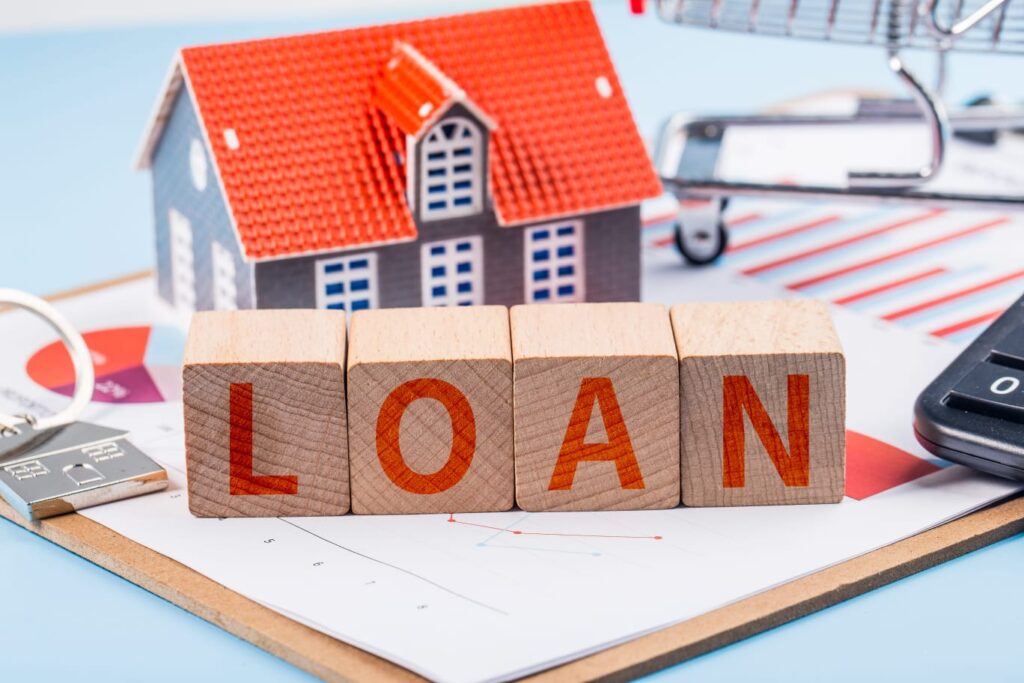
What is the meaning of the terms of a loan for Americans?
Loans are a typical aspect of American life. People take out loans for a variety of reasons; to buy a house, to pay for education, to buy a car, to start a business, or for emergencies. But numerous borrowers are troubled by the financial terms in loan contracts. Knowing what the terms of the loan mean is crucial as it helps borrowers make better financial decisions and avoid costly mistakes.
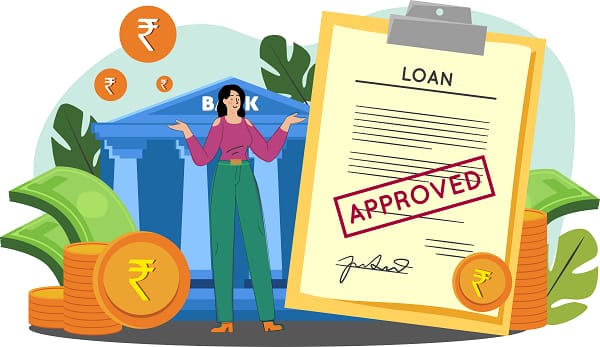
Knowing the definitions of some popular loan terms can make the loan process much simpler and less stressful. This guide aims to distill some of the terms used in loans down to the basics for everyday Americans.
What Is a Loan?
A loan is money that is borrowed from a bank, credit union, online lender or financial institution and must be repaid over time. Most borrowers will also be required to pay interest, or the expense of borrowing the money.
There are a number of conditions included in loan agreements that help to define the conditions of the loan. These include repayment schedules, interest rates, fees, and penalties. This information will enable borrowers to know precisely what they are signing up for prior to signing a contract.
Principal
The principal is the amount of money that a person borrows before the interest and fees are added.
For instance, $20,000 is the principal of a car loan. The borrower pays back the loan, plus the interest rate charged by the lender.
The principal balance will slowly be paid down as loans are made.
Interest Rate
The interest rate is the percentage that the lender imposes on borrowers when borrowing money. It’s the expense of a loan.
For instance, if the rate of a loan is 5% then the borrower pays an extra 5% of the loan amount as time passes.
The interest rates may differ based on the following:
Credit score
- Loan type
- Income level
- Economic conditions
- Loan length
When interest rates are lower, the cost of borrowing is going to be lower.
Annual Percentage Rate (APR)
APR is the Annual Percentage Rate. This contains the interest on the loan as well as some extra fees for the loan.
APR provides a borrower with a better overall view of the cost of borrowing. Two loans can have the same interest rate but different APR due to additional fees.
By comparing the APRs, borrowers can make an informed choice on the most affordable loan.
Loan Term
Loan term refers to how long one has to pay back a loan. The length of time for loans can be from a few months to many decades.
For example:
- The terms of auto loans are usually 3 to 7 years.
- Personal loans can be anywhere from 1 to 5 years in duration.
- The typical mortgage term is 15 to 30 years.
Longer loan terms typically result in lower monthly payment, but higher overall interest expense. A shorter term will result in higher monthly payments, and lower interest paid over the life of the debt.
Monthly Payment
The monthly payment is the amount that the borrower has to pay, every month, to pay back the loan.

Typical monthly payments consist of:
- Principal repayment
- Interest charges
- For some loans, taxes and/or insurance are included.
It is advised that borrowers make sure to pay their monthly obligations without strain, or stress, in their finances.
Fixed Interest Rate
A fixed rate of interest will remain constant over the term of the loan.
This will keep monthly payments consistent and predictable. Fixed rate loans are popular because they are known as a borrower since they know exactly how much they will be paying every month.
Fixed rates are typically used for mortgages and personal loans.
Variable Interest Rate
A variable interest rate may fluctuate as conditions in the market dictate or with changes in the benchmark interest rate.
Variable-rate loans can offer lower, initial rates, but may increase if rates climb.
It’s important for borrowers to be aware of the risks associated with variable-rate mortgages before deciding to take one.
Secured Loan
Secured loan is a loan that is backed up with an asset. Collateral is a property that is given by the borrower to the lender as a security, in the event of their defaulting on the loan.
Some common secured loans are:
- Real estate loans (home serves as collateral)
- Automobile loans (vehicle used as collateral)
Secured loans typically offer lower interest rates as they are less risky for lenders.
Unsecured Loan
An unsecured loan is a principal home loan which doesn’t require security. The approval relies primarily on the borrower’s credit score, income and financial history.
Examples include:
- Credit cards
- Personal loans
In some instances, students may be eligible for student loans in addition.
Unsecured loans typically will charge higher interest rates since the lender assumes more risk.
Credit Score
A credit score is a number that provides an indication of a person’s debt and credit management.
Improved credit scores mean a higher likelihood of getting a loan and paying less interest. Higher costs may result in a rejection or higher borrowing costs.
When taking out a loan, lenders will look at credit scores closely.
Down Payment
A down payment refers to a lump sum payment made in advance of the final purchase price of an expensive item, like a house or car.
For instance, if an individual purchases a $300,000 dwelling, and pays a $60,000 down payment, the remaining $240,000 is financed as a home loan.
Higher down payments lead to lower monthly payments and lenders are more likely to approve the loan.
Origination Fee
Some lenders may require an origination fee to process and be responsible for creating the loan.
This fee can be subtracted from the loan principal or added to the balance of the loan being repaid. Origionation fees should always be checked by the borrower, before taking out a loan.
Late Payment Fee
The lender can impose a late fee if the borrower fails to pay the loan on time.
The late payments may also affect credit scores and future loan interest rates. One of the most crucial duties of a lender is making timely repayments.
Refinancing
Refinancing is the process of obtaining a new loan for the same property and replacing the current loan.
There are several reasons why individuals might refinance their mortgage:
- Lower interest rates
- Reduce monthly payments
- Shorten loan terms
- Consolidate debt
But as long as the financial conditions are favorable and refinancing is done carefully, it can save money.
Default
The failure of a borrower to make payment as agreed on the loan is known as default.
If a loan is defaulted:
- Collection actions
- Legal problems
- Credit score damage
- Loss of collateral
The main principle of financial stability is to avoid default.
Conclusion
It is crucial that anyone who takes out a loan in the U.S. understands the terms of the loan. Financial treaties can seem daunting initially, but as well as understanding the terms and conditions, it is crucial to borrowers to understand common financial terminology to make informed decisions and avoid any avoidable financial risks.