Education Debt in the United States is very valuable. Helps you find better jobs and earn more money. But it has a price tag as well. The cost of tuition, housing, books and daily living is quite high. As a result, a large number of pupils end up in debt to pay for their schooling.
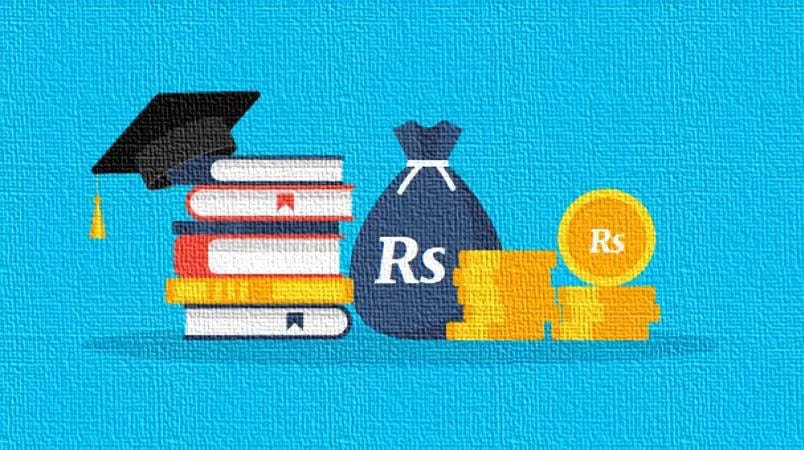
These Education Debt will be useful at the beginning. However, once they have finished their education, they become students’ debtors. This debt will have to be paid back with interest to students. With improper management, it may put strain on finances for many years.
This is why it is crucial to know how to handle education loans in the USA. A smart loan and financial plan can help students decrease stress and remain financially stable.
What Is Education Debt?
Education debt refers to the total amount of loans taken out for education at the college or university level. It accounts for the vitality of the credit and the charm that has accumulated in the course of the credit. These student credits are routinely utilized to cover educator and living costs, such as tuition, room and board, books, and other educator costs.
This debt isn’t discharged when you graduate. It remains until it is completely paid off. Many students take several years to pay off their student loans.
This debt comes in two forms. One is federal student loans. The other is private student loans. There are various rules and costs for each type. Both types can be understood to help students to manage their debt.
Why Managing Education Debt Matters
Education Debt management is a crucial aspect of a healthy financial life. The problem may get worse over time if students do not pay their loans. Interest keeps increasing. It can be difficult to make the monthly payments. There is also a rise in financial stress.
Students who are in control are practicing good debt management. It enables them to plan their futures in a better manner. They can save, invest and attain their goals in life.
Key reasons why debt management matters:
- This has the advantage of avoiding financial strain.
- It minimizes the risk of late fees and penalties
- It helps boost credit rating. It helps to raise a credit rating.
- It facilitates long-term money planning.
Once you have good habits when it comes to loans and finance, it will be much easier for you in the future.
Types of Student Debt in the USA
Understanding the type of debt is the first step in managing it.
- Federal Student Loans
Federal loans are provided by the government. In the USA, they’re the most frequent types of student loans. These loans are low-maintenance loans that will be simple to manage as a result of their versatility in the repayment plan.
They also offer a fixed interest rate. This implies that the rate is constant. Other features that come with federal loans include loan forgiveness and income-driven repayment.
- Private Student Loans
Education Debt from banks and financial institutions are called private loans. Federal loans are typically exhausted before these types of loans are considered.
These tend to have higher interest rates. Certain loans may feature rates that fluctuate, which can rise as the loan goes longer. Repayment options are fewer than those for federal loans.
Careful planning is necessary for students who have taken personal loans. This type of loan represents a significant portion of education loan liabilities in the United States.
Know Your Total Debt
The initial step to managing debt is to understand the amount of debt that you are dealing with. It is not common for students to keep track of how much loan they have. This confuses them in the long run.
Students need to monitor their loan account frequently. They ought to be aware of the interest rate and the amount of the monthly payments. This information is useful for creating an appropriate Action Plan.
Once students know their entire debt, they can take charge. Student loans are more manageable.
Choose the Right Repayment Plan
It is significant to select the best repayment methodology. It impacts the monthly installment as well as the length of time required to pay off the advance.
Federal loans have various plans. The different plans are tailored for various financial situations.
Common repayment plans include:
- The standard plan is one that has a fixed monthly payment.
- If your income is low, a plan that is based on your income.
- The payment plan involves a series of payments that increase over time.
Students should select a plan that will be affordable to their income and lifestyle. This helps in managing education debt in the USA more easily.
Benefits of Income-Driven Repayment
Income-driven repayment plans are very helpful for students with low income. These schemes modify the monthly payments in accordance with the earnings of a person.
Main benefits include:
- Lower monthly payments
- Income-based payments
- When you are in a tough spot, financial aid can help you out.
- Forgiveness is possible after a few years of service. There is a possibility for loan forgiveness after a few years of service.
These plans ease the burden and streamline repayment.
Make Payments on Time
Paying Education Debt on time is one of the most important steps. Being late with payments can be quite an issue.
Additional charges are added for late payments. Credit scores further diminish. This becomes more difficult to obtain loans later on.
Students are always to pay promptly. They can take advantage of auto-payments to remain regular. It is essential to have good payment practices in loan and finance management.
Pay More Than the Minimum
The more you pay than the minimum payment, the sooner you will be done with your Education Debt. Interest accrues over time. This results in a higher cost for the loan.
To the extent possible, students are requested to pay a little more. Any extra payments, no matter how minimal, can lower the final cost. It is also beneficial for repaying the loan in a faster manner.
This tactic can be of great help in controlling education loans in the USA.
Understand Interest Rates
The total debt is greatly affected by interest rates. The higher the interest rate, the greater the total payment.
Federally backed loans typically offer fixed interest rates. Variable-rate loans are available and therefore may be private loans. These rates may be higher over time.
One should never take a loan without checking out the interest rate beforehand. This knowledge will help when making loans and financial decisions.
Consider Loan Consolidation
Loan consolidation is a procedure that merges a number of loans into one. This helps to make repayment easier.
Student pays only one payment a month. It helps streamline the preparation and advance clarity.
In a few situations, though, consolidation can lead to an increment in the by and large intrigued. Before selecting this choice, students ought to know the meaning of all the terms.
Explore Loan Forgiveness Programs
Debt reduction via loan forgiveness programs. In some instances, the remaining amount of the loan is cancelled.
Those in public service occupations might be eligible. There are other benefits for teachers and nonprofit workers.
These programs are extremely beneficial. They alleviate the burden of education debt in the USA.
Avoid Common Debt Mistakes
There are numerous students who make errors when managing loans. These errors can lead to a financial burden.
Common mistakes include:
- Taking on too much debt.
- Ignoring interest rates
- Missing payments
- Not reading loan terms
The avoidance of these errors is very significant. It helps in better financial management.
Build a Strong Budget Plan
Budget is such a powerful and simple tool. It assists students in controlling income and expenditures.
Students are required to write their monthly salary. They should also include a list of all expenses. Loan repayments should be taken as a priority.
Having a great budget can help to oversee your investing. It makes a difference to keep payments on plan. Budgeting is a pivotal portion of overseeing student advance obligations.
Increase Your Income
The higher the income, the easier the loan repayments will be. Pupils should seek to make more money.
They are able to work part-time. Also, freelancing is a viable choice. A few students begin small business ventures on the internet.
Any extra money is appreciated. It alleviates financial strain and accelerates the repayment process.
Alternatives to Reduce Education Debt
Always seek to lower debts, students. There is more than just loans.
The best way is to obtain scholarships and grants. There is no repayment requirement. Work-study programs are available for students to work and earn money while attending school.
Having part-time work also helps to control spending. Here are some options to lessen the need for loans and to decrease education debt in the USA.
Long-Term Benefits of Managing Debt
Debt management can have a lot of long-term benefits. It enables students to develop a solid financial future.
They are able to save money and invest. They can make plans for their future, such as a mortgage or a startup.
Another by-product of a strong debt management plan is that it will enhance one’s credit score. This opens up greater financial possibilities.
Conclusion
Education debt is a common part of life in the United States. Many students take loans to achieve their goals. Loans are useful but also a responsibility.
So, it’s important to have a plan and discipline when dealing with education loans in the USA. Students are required to know and understand the nature of their loans. Their obligations to choose the best repayment plan. They should pay on time and not make any mistakes.
Smart loans and financial savvy can help to alleviate stress. It can also support students to set up a safe future. Schooling is a worthwhile investment. If it is planned properly, a student can overcome without getting into debt.