Introduction
Borrowing Money are an fundamentally portion of life in the USA. Advances and credit cards are utilized by millions of Americans to back their homes, instruction, cars, restorative bills and more. In spite of the fact that borrowing empowers individuals to accomplish basic goals and to address crises, it brings with it critical dangers.
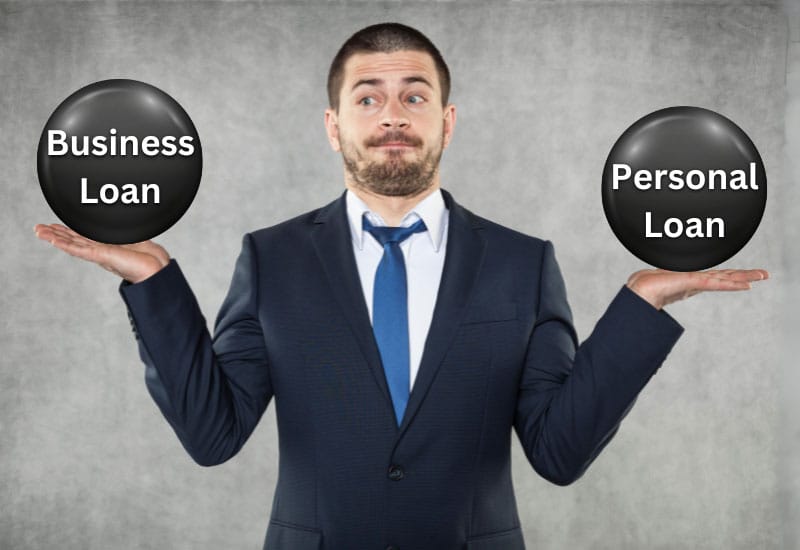
Credits, if not dealt with legitimately, can cause Borrowing Money related strain, harmed credit appraisals and cause issues with obligation in the long run. It’s basic to be mindful of the threats of taking out credits and maintain a strategic distance from unnecessary hardship.
High Interest Rates
The highest danger of taking out a loan in the U.S. is that loans have high interest rates. The additional amount that borrowers pay over the principal amount of the loan. Certain loans, particularly credit cards, payday loans and personal loans can be extremely high interest. If the interest rates are high, the borrower can end up paying a lot more than what he or she borrowed.
For instance, if the person has a credit card that has a high annual percentage rate (APR), they may be unable to pay off the balance if minimum payments are made on a monthly basis. As time goes by, intrigued still includes up, making an expanded and troublesome obligation. Borrowers can gotten to be caught in a cycle of obligation with tall intrigued credits that can take a long time to pay off.
Debt Accumulation
One of the other enormous dangers is over the top obligation. A great deal of people have several loans which they are Borrowing Money from, including student loans, auto loans, mortgages, and credit cards. Borrowing Money each loan might look like it’s manageable, but when the payments come together they may be too much.
High Borrowing Money can also limit your financial mobility, and can make it challenging to pay bills. People who have overseen their loan should find it difficult to pay their bills on time, save funds or invest for the future. Building up debt can also make it more stressful and make life worse.
The loss of the Credit Score
When someone borrows money, it can have an impact on his or her credit score, an important component of the financial system in the United States. Factors such as credit scores are utilized to determine financial responsibility by lenders, landlords, employers, and insurance companies. Late payments, loan defaulting and having high balances can hurt credit scores.
If you have a bad credit score, there are numerous issues that you may face. Poor credit borrowers might have to pay a higher rate of interest, might not be able to get a loan in the future, or might not be able to get housing in the future. It will take years to rebuild a damaged credit rating, so loan takers need to manage their loans responsibly.
Risks associated with defaulting on a loan
Failure to pay back a loan as promised is considered to be a loan default. Failing to pay back a loan in the USA can have serious repercussions. They can impose penalties, raise interest rates or pass on to debt collection agencies.
In extreme instances, lenders may go so far as to sue borrowers. When the loan is secured (like getting a mortgage or an auto loan), default can result in a foreclosure or an auto loan repossession. That is, if a borrower is unable to pay, then they could lose their home or car. Loan default can also remain on credit reports for a number of years, making it more difficult to be able to obtain future credit.
Financial stress and mental health issues are linked
Making use of credit increases stress and anxiety, particularly if it is hard to manage your debt. Financial issues cause anxiety, depression and insomnia for many Americans. Loans and collection calls can cause stress and strain on mental wellbeing and relationships.
Financial difficulty can also have negative effects on their work productivity, and their well-being. Debtors find themselves in a bind and unsure of their future. With intense financial constraints, some people could make wrong decisions, like Borrowing Money more Borrowing Money for their existing loans, which could aggravate the situation.
There are no hidden fees or charges
Some loans are accompanied with hidden fees and charges which borrowers may not be completely aware of until they have signed the agreements. They can be origination fees, late fees, prepayment penalties or service fees. Payday loans and short-term loans are particularly recognized for their high charges.
People taking out loans may be taken aback by the full cost of the loan when they read loan contracts. It’s possible for hidden charges to make the Borrowing Money a bit more expensive and cause monthly payments to be higher than expected. That is why it is essential to thoroughly check loan conditions before taking on any loan arrangement.
Risk of Predatory Lending
Another significant problem with the American marketplace is predatory lending. Predatory lenders exploit individuals who are in need with unfair and deceptive loan practices. Their terms can be confusing, and they may charge very high interest rates, or have aggressive repayment terms.
Predatory lenders typically target low-income families, elderly people and those with poor credit histories. Payday loans are a typical example of predatory lending because they are frequently accompanied with extremely high charges, and brief repayment durations. Loans can lead to a cycle of Borrowing Money and paying back, without any repayment of the principal, and can become a vicious cycle.
Student Loan Burden
For many Americans, student loans are a huge financial burden. Education loans create great opportunities for students to attend college and also enhance their career opportunities, but they can also be a financial burden for students in the long run. There are many college graduates that are leaving school with thousands of dollars in debt.
Student loans can be repaid for many years, particularly if the loan-holders work in a low-paid occupation or have an irregular career. Taking out big loans can also postpone big decisions like purchasing a home, tying the knot or starting a family. Student loans are also hard to discharge in bankruptcy, causing some borrowers to have difficulties.
Bankruptcy Risk
In the worst of cases, over-indebtedness causes bankruptcy. Bankruptcy is a legal proceeding for people who can’t afford to pay their debts. While bankruptcy may be a good way to alleviate some financial pressure, it also can have serious consequences.
Bankruptcy negatively impacts credit scores and stays on credit reports for several years. Post-bankruptcy, it could be difficult to obtain loans, apartments, even some employment opportunities. Also, filing for bankruptcy can be emotional, and it can be expensive.
The lack of economic certainty and job security
There can also be risks involved in taking out loans when economic conditions deteriorate in the United States. Borrowing Money downturns, inflation, health issues, or unemployment suddenly may be able to make it more difficult for a borrower to pay back loans. Responsible borrowers can get into financial trouble in tough economic times.
If for instance a mortgage holder or car loan holder loses their job, they might find it hard to pay their bills. If they do not make enough savings, they can easily end up with debts that they are not able to pay off. During times of economic uncertainty, it’s crucial to proceed with caution when Borrowing Money and to not take unnecessary economic risks.
Conclusion
While money borrowing can offer financial assistance as well as aid in the accomplishment of vital goals, it can also be a risky procedure. The United States can be a cause of serious problems for borrowers if the interest rates are high, they are over-indebted, their credit scores are compromised, they default on their loans, are under financial stress, or are the victim of predatory lending. In addition to the added costs of hidden fees, a lack of savings and the risk of bankruptcy, student loans are an extra burden to properly manage.